
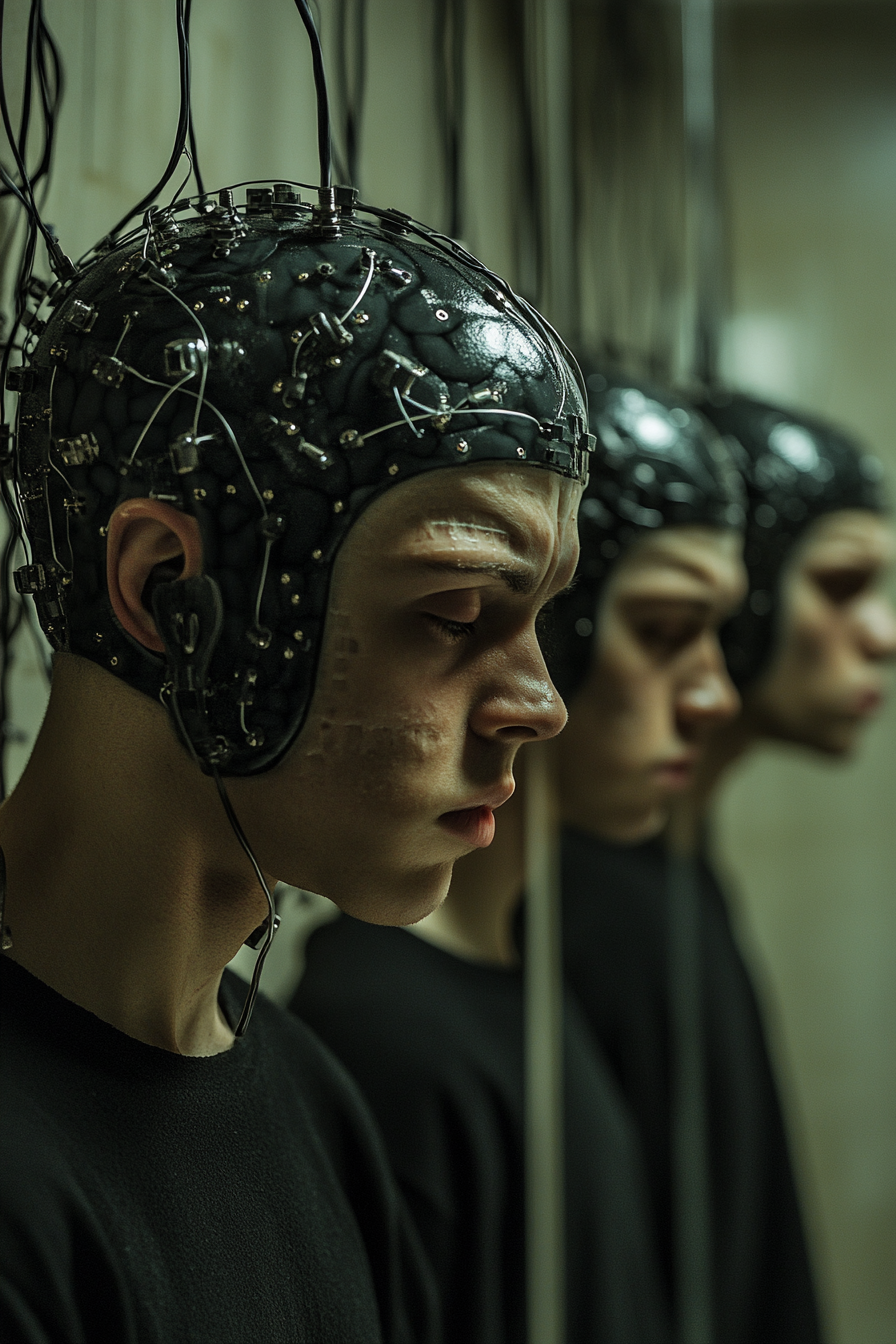
Artificial Intelligence (AI) has revolutionized the way we create and consume content, merging the realms of technology and creativity in a way that was once thought impossible. Imagine having a digital assistant that not only understands your requests but can also generate captivating text and stunning visuals at the click of a button. This is not science fiction; it’s the reality we live in today. With advancements in algorithms and machine learning, AI is now capable of producing content that is not just coherent but also engaging, often rivaling human creativity.
At the heart of AI’s text generation capabilities lies Natural Language Processing (NLP). This technology allows machines to understand, interpret, and generate human language in a meaningful way. Think of it as teaching a child to speak and write, but instead, we’re teaching a machine. Through a combination of machine learning algorithms and vast datasets, AI can analyze patterns in language, enabling it to create contextually relevant and grammatically correct content. It’s like having a personal writer who learns your style and preferences over time, adapting to your needs while producing text that feels natural and fluid.
But AI doesn’t stop at text; it extends its creative prowess to visuals as well. With tools powered by deep learning, AI can generate breathtaking images and artwork that capture the imagination. These systems analyze existing styles and techniques, allowing them to replicate and innovate on classic art forms. For instance, AI can create a piece of art that combines the styles of Van Gogh and Picasso, resulting in a unique masterpiece that is both familiar and new. This capability opens up endless possibilities for artists and designers, who can use AI-generated visuals to enhance their work or inspire new creations.
As we explore the impact of AI on various industries, it becomes clear that its applications are diverse and far-reaching. In marketing, businesses harness AI to generate engaging ad copy and personalized content that resonates with their target audience. In entertainment, AI is being used to script movies and create music, pushing the boundaries of traditional storytelling. Even in education, AI-generated content is helping educators develop tailored learning materials that cater to individual student needs. The potential for AI to enhance creativity and efficiency is truly remarkable.
However, with great power comes great responsibility. The rise of AI-generated content also brings forth challenges and ethical considerations. Issues like authenticity, copyright, and the potential for misuse in misinformation campaigns are becoming increasingly pressing. As we embrace these technologies, it is crucial to navigate the ethical landscape carefully, ensuring that we use AI responsibly while maximizing its benefits.
Looking ahead, the future of AI in content creation seems bright. Emerging trends suggest that AI will continue to evolve, becoming even more sophisticated in its ability to generate high-quality content. As these technologies advance, they will likely reshape creative industries, offering new tools and methods for artists, writers, and marketers alike. The question is not whether AI will change the landscape of content creation, but rather how we will adapt to and integrate these innovations into our creative processes.
Understanding AI Text Generation
Artificial Intelligence (AI) has revolutionized the way we create and consume written content. At the heart of this transformation lies a fascinating blend of Natural Language Processing (NLP) and machine learning algorithms. But what exactly does that mean? Imagine teaching a computer to understand human language just like we do. It’s like training a dog to fetch—only instead of a ball, the AI learns to fetch words, sentences, and even entire paragraphs!
NLP is the field of AI that focuses on the interaction between computers and humans through natural language. This involves several complex processes, including tokenization, where text is broken down into smaller pieces (or tokens), and semantic analysis, which helps the AI understand the meaning behind those words. Think of it as giving the AI a dictionary and a thesaurus, allowing it to grasp not just the words, but the context and nuances of language.
Machine learning plays a critical role in enhancing these capabilities. By feeding the AI vast amounts of text data, it learns patterns and styles of writing. This is akin to a chef experimenting with recipes—over time, they learn which ingredients work best together. Similarly, AI analyzes countless articles, blogs, and books to understand how to construct sentences that are not only grammatically correct but also engaging and relevant.
One of the most exciting aspects of AI text generation is its ability to produce coherent and contextually relevant content. For instance, when you input a prompt, the AI can generate a response that feels remarkably human-like. This capability is achieved through advanced models such as GPT (Generative Pre-trained Transformer), which utilize deep learning techniques to predict the next word in a sentence based on the context provided. It’s like having a conversation with a friend who always knows what you’re thinking!
However, the journey of AI text generation is not without its challenges. While the technology is impressive, it sometimes struggles with understanding sarcasm, humor, or cultural references, which can lead to awkward or nonsensical outputs. This is a reminder that, despite its capabilities, AI still has a way to go before it can fully mimic the intricacies of human communication.
In conclusion, understanding AI text generation requires a glimpse into the complex interplay of NLP and machine learning. As we continue to refine these technologies, the potential for creating stunning and impactful written content is limitless. The next time you read an article or a story generated by AI, remember the intricate processes at work behind the scenes—it’s not just text; it’s a fascinating blend of technology and creativity!
AI in Visual Content Creation
Have you ever marveled at a piece of artwork or a stunning photograph and wondered how it came to be? With the rise of artificial intelligence, the landscape of visual content creation has transformed dramatically. AI tools are now capable of generating breathtaking visuals that not only mimic human creativity but also push the boundaries of what we consider art. Imagine a world where a simple text prompt can yield a unique piece of art or a flawless photograph—this is the magic of AI in action!
At the heart of this innovation lies deep learning, a subset of machine learning that enables machines to learn from vast amounts of data. By analyzing countless images and styles, AI systems can understand the nuances that make a visual appealing. For instance, platforms like DALL-E and Midjourney utilize sophisticated algorithms to interpret textual descriptions and produce corresponding images. This process is akin to a painter who, after years of practice, can effortlessly bring their imagination to life on canvas.
Furthermore, AI doesn’t just copy existing styles; it can create entirely new aesthetics. By leveraging techniques such as neural style transfer, AI can blend different artistic styles to produce something fresh and original. For example, an AI could take the vibrant colors of Van Gogh’s “Starry Night” and combine them with the geometric patterns of a modern abstract artist, resulting in a visual that captivates the viewer’s imagination. This ability to innovate has opened doors for artists and designers, allowing them to explore uncharted territories in their creative endeavors.
However, the impact of AI in visual content creation extends beyond mere aesthetics. Businesses across various industries are harnessing these tools to enhance their marketing strategies and engage audiences more effectively. From generating eye-catching graphics for social media campaigns to creating personalized visual content for users, AI is becoming an invaluable asset in the marketing toolkit. According to a recent study, companies that incorporate AI-generated visuals into their campaigns see a 30% increase in audience engagement compared to traditional methods.
Yet, as we embrace the wonders of AI-generated visuals, it’s essential to remain mindful of the implications. The ease with which AI can produce images raises questions about authenticity and originality. How do we define art when machines can replicate human creativity? Furthermore, there are concerns regarding copyright and ownership of AI-generated content. If an AI creates a masterpiece, who owns the rights—the programmer, the user, or the AI itself? These questions challenge our understanding of creativity and intellectual property in the digital age.
In conclusion, AI is not just a tool for creating stunning visuals; it’s a revolutionary force reshaping how we perceive and produce art. As we continue to explore this fascinating intersection of technology and creativity, one thing is clear: the future of visual content creation is bright, and it’s only just beginning.
Applications Across Industries
Artificial Intelligence (AI) is not just a buzzword; it’s a transformative force that is reshaping various industries in ways we could only dream of a few years ago. From marketing to healthcare, the applications of AI-generated content are as diverse as they are impactful. Imagine a world where businesses can produce tailored marketing campaigns in a fraction of the time it used to take, or where educators can create personalized learning experiences for students based on their individual needs. Sounds like science fiction, right? Well, it’s happening now!
In the marketing sector, AI plays a pivotal role in content creation and strategy. Companies utilize AI tools to analyze consumer behavior and preferences, allowing them to generate targeted advertisements that resonate with their audience. For instance, AI can sift through vast amounts of data to identify trends and craft compelling copy that speaks directly to potential customers. This not only saves time but also enhances the effectiveness of marketing campaigns. A recent study revealed that businesses employing AI-driven marketing strategies saw a remarkable 30% increase in engagement rates!
Moving over to the entertainment industry, AI is revolutionizing how content is created and consumed. Streaming platforms like Netflix and Spotify use sophisticated algorithms to analyze user preferences and recommend content that aligns with their tastes. But it doesn’t stop there—AI is also being used to generate scripts, music, and even visual effects. Imagine an AI composing a symphony or writing a screenplay that captivates audiences. The creative possibilities are endless, and they challenge our traditional notions of authorship and creativity.
In the realm of education, AI-generated content is paving the way for more personalized learning experiences. Educational platforms can create customized materials that cater to the unique learning styles of each student. For example, AI can analyze a student’s performance and generate quizzes or study guides tailored to their strengths and weaknesses. This level of personalization not only enhances learning outcomes but also keeps students engaged and motivated.
However, the influence of AI extends beyond just these sectors. Healthcare is another area where AI-generated content is making waves. From generating patient reports to assisting in diagnostics, AI helps streamline processes and improve accuracy. Imagine a doctor having access to AI-generated summaries of a patient’s history in seconds, allowing for quicker and more informed decisions. This not only enhances patient care but also reduces the burden on healthcare professionals.
In summary, the applications of AI-generated content are vast and varied, touching virtually every industry. As businesses and organizations continue to embrace these technologies, we can expect to see even more innovative uses that will further enhance efficiency, creativity, and engagement. It’s an exciting time to be part of this technological revolution, and the future looks bright!
Challenges and Ethical Considerations
As we dive deeper into the realm of AI-generated content, it’s essential to address the that accompany this technology. While AI has the potential to revolutionize content creation, it also raises significant questions about authenticity and ownership. Imagine a world where a machine can create a piece of art or a compelling article in seconds—sounds impressive, right? But what happens when we consider who gets credit for that work? This is where the lines begin to blur.
One of the most pressing issues is authenticity. With AI capable of mimicking various writing styles and artistic techniques, it becomes increasingly difficult to distinguish between human-created and AI-generated content. This can lead to a crisis of trust, particularly in fields like journalism and education, where the integrity of information is paramount. How can we ensure that the content we consume is genuine? This question is at the forefront of discussions surrounding AI ethics.
Another significant challenge is the issue of copyright. When AI generates content, who owns the rights to that material? Is it the developer of the AI, the user who prompted it, or the AI itself? The current legal frameworks are often inadequate to address these questions, leading to potential conflicts and disputes. For instance, if an AI creates a painting that closely resembles the work of a famous artist, who is liable for any infringement? These scenarios highlight the need for new regulations that can keep pace with technological advancements.
Moreover, the potential for misinformation is a real concern. AI can generate content that is not only misleading but also dangerously persuasive. Imagine an AI creating fake news articles that look and sound authentic. This capability poses a risk to public discourse and can undermine trust in legitimate news sources. It’s crucial for both developers and users of AI technology to be vigilant and responsible in their applications.
To better understand the landscape of these challenges, let’s take a look at some key ethical considerations:
- Transparency: Users should be aware when they are interacting with AI-generated content.
- Accountability: There must be clear guidelines on who is responsible for AI-generated material.
- Bias: AI systems can inadvertently perpetuate biases present in their training data, leading to skewed or unfair representations.
In conclusion, while AI offers exciting possibilities for content creation, we must navigate these challenges carefully. The future of AI in creative industries will depend not only on technological advancements but also on our ability to address these ethical dilemmas head-on. As we embrace the potential of AI, let’s strive for a balance that promotes innovation while safeguarding authenticity and integrity.
The Future of AI in Content Creation
As we look ahead, the future of AI in content creation is not just promising; it’s downright exhilarating! Imagine a world where machines not only assist us but also inspire us, crafting narratives and visuals that resonate on a deeply human level. With advancements in machine learning and natural language processing, AI is poised to revolutionize how we create and consume content.
One of the most exciting prospects is the development of hyper-personalized content. Picture this: a reader receives a tailored story or article that speaks directly to their interests, preferences, and even their emotional state. AI algorithms will analyze vast amounts of data to understand individual tastes, allowing for content that feels uniquely crafted for each person. This level of personalization could lead to a more engaged audience, transforming passive readers into active participants in the storytelling process.
Moreover, as AI continues to evolve, we can expect an increase in collaborative creativity. Artists and writers will team up with AI tools to push the boundaries of their art. For instance, a musician might use AI to generate melodies that complement their lyrics, creating a symphony of human and machine collaboration. This partnership could lead to entirely new genres of music, art, and literature that we can’t even fathom yet!
However, with great power comes great responsibility. As AI-generated content becomes more prevalent, we must navigate the ethical landscape carefully. Questions around authenticity and copyright will become increasingly complex. How do we credit an AI for its contributions? What happens when AI-generated content is indistinguishable from human-created works? These are the challenges that creators, developers, and regulators will need to address to ensure a fair and transparent environment.
Additionally, the potential for misinformation is a significant concern. As AI tools become more sophisticated, the risk of creating convincing fake news or deceptive content rises. It’s crucial for both creators and consumers to develop a critical eye and a deeper understanding of the sources of their information. This could lead to a future where media literacy becomes as essential as the content itself.
Finally, let’s not forget about the technological advancements that lie ahead. With the rise of quantum computing and improved algorithms, the capabilities of AI in content creation will expand exponentially. Imagine AI that can not only write and design but also understand context, emotion, and nuance at a level comparable to human beings. The line between human and machine creativity may blur, leading to a future where the collaboration of AI and human creativity is the norm.
In conclusion, the future of AI in content creation holds immense potential. It promises to enhance creativity, personalize experiences, and challenge our understanding of authorship and authenticity. As we embrace these changes, we must also remain vigilant about the ethical implications and strive for a balance that benefits all creators and consumers alike.
Frequently Asked Questions
- What is AI text generation?
AI text generation refers to the process where artificial intelligence uses algorithms, particularly natural language processing (NLP), to create coherent and contextually relevant text. Think of it as a super-smart assistant that can write articles, stories, or even poetry, all by understanding and mimicking human language patterns.
- How does AI create visuals?
AI creates visuals by employing deep learning techniques that analyze existing images and styles. It’s like having an artist that learns from countless masterpieces and then creates something entirely new and stunning. This technology can generate everything from digital artwork to realistic photographs!
- What industries benefit from AI-generated content?
AI-generated content is transforming various industries, including marketing, entertainment, and education. Businesses use it to enhance creativity, streamline processes, and engage audiences more effectively. Imagine a marketing campaign that writes itself or a movie script generated in minutes!
- Are there ethical concerns with AI-generated content?
Absolutely! There are significant ethical considerations, such as issues of authenticity and copyright. With the rise of AI, questions arise about who owns the content and how it can be misused, especially in spreading misinformation. It’s a bit like having a powerful tool that can be used for both good and bad.
- What does the future hold for AI in content creation?
The future of AI in content creation is incredibly exciting! We can expect advancements that further blur the lines between human and machine-generated content. This could lead to even more innovative applications, making creative industries more efficient and opening up new possibilities for storytelling and visual arts.
Leave a Reply