
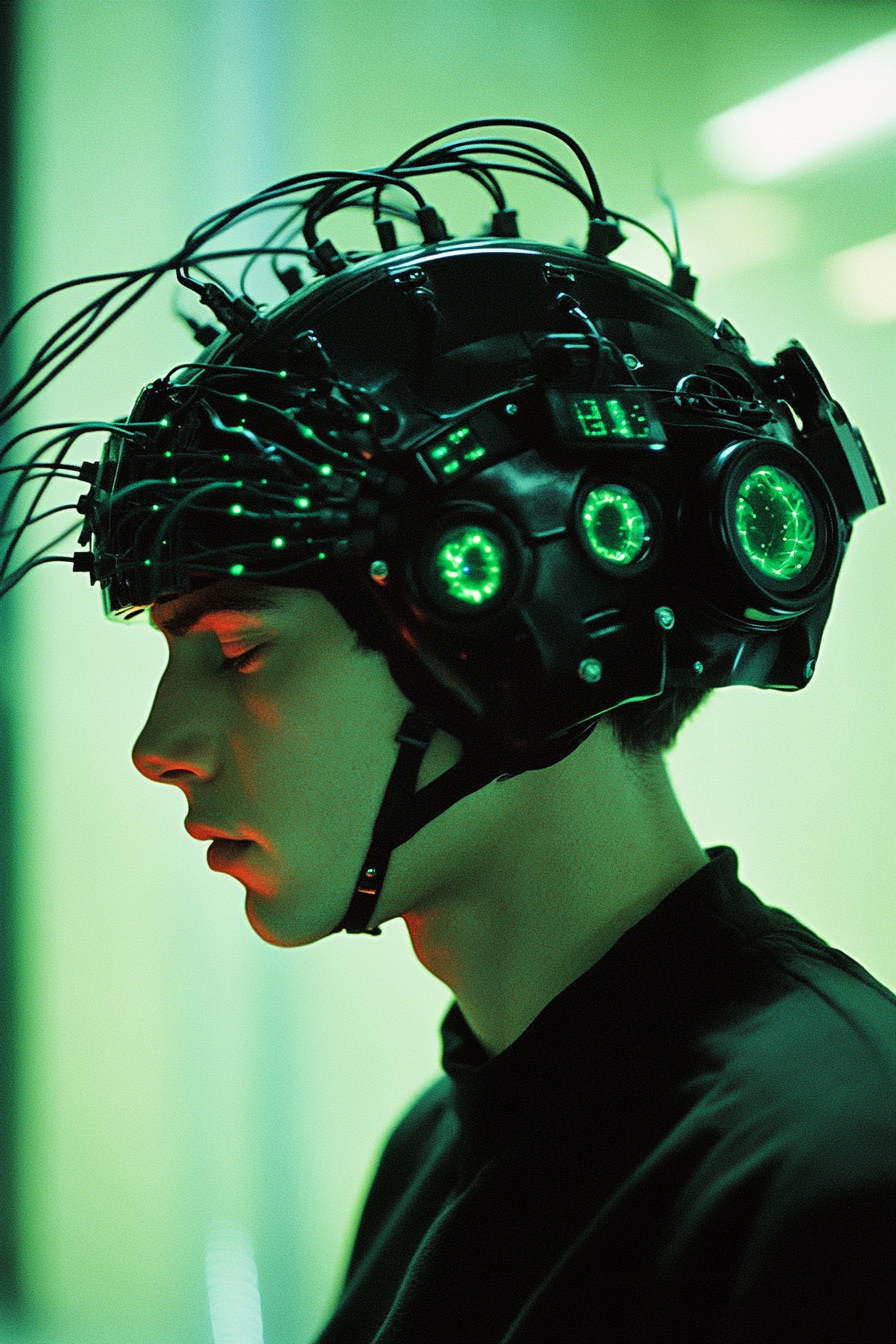
Artificial Intelligence (AI) is not just a buzzword; it’s a game changer that’s reshaping the landscape of creativity across various domains. Imagine a world where machines not only assist but also collaborate with humans in the creative process. This is not science fiction; it’s happening now! From artists to musicians, writers to designers, AI is stepping in to enhance our creative capabilities, pushing the boundaries of what we thought was possible. So, how exactly is AI transforming the way we create? Let’s dive into this fascinating realm!
AI technologies are revolutionizing the art world by enabling artists to experiment with new forms and styles, generating unique pieces that blend human creativity with machine learning algorithms. Think of it as having a digital brush that can paint not only what you envision but also what it learns from countless artworks. This collaboration between human intuition and machine precision leads to innovative creations that might never have existed otherwise. Artists can now explore uncharted territories, allowing for a richer palette of ideas and expressions.
When it comes to music, AI is reshaping composition like never before! Imagine having a virtual band member that can generate melodies, harmonies, and rhythms tailored to your style. Musicians can experiment with new sounds and collaborate with AI systems to create innovative soundscapes. This partnership opens up a world of possibilities where artists can push their creative limits and explore genres they might not have ventured into alone. Who wouldn’t want a creative partner that’s always ready to jam?
Writers, rejoice! AI writing assistants are here to enhance your writing process. These tools provide suggestions, improve grammar, and even generate content, allowing you to focus on your creativity while streamlining your workflow. Imagine having a personal editor that’s available 24/7, helping you polish your drafts and brainstorm ideas. With AI, writers can overcome writer’s block and explore new narrative styles, making the writing journey more enjoyable and productive.
In the design industry, AI is a powerhouse that’s streamlining workflows and offering predictive analytics. Designers can leverage AI to analyze user behavior and preferences, leading to personalized user experiences that resonate with audiences. This fundamental shift alters how designers approach projects and collaborate with clients. It’s like having a crystal ball that predicts trends and user needs, allowing designers to stay ahead of the curve. Imagine creating designs that not only look good but also meet the specific desires of your target audience!
As AI technology continues to evolve, we can anticipate exciting future trends in creative collaboration. This could include more advanced partnerships between humans and AI, where the lines between creator and creation blur. However, with great power comes great responsibility. Ethical considerations in AI-generated content will become increasingly important. Will AI inspire entirely new artistic movements? Only time will tell, but one thing is for sure: the future of creativity is bright, and AI is leading the charge!
The Role of AI in Art Creation
Artificial Intelligence is not just a buzzword anymore; it’s becoming a game-changer in the world of art. Imagine walking into a gallery where every piece of art has been influenced by algorithms, where machines and humans collaborate to create stunning visuals that challenge our perceptions. AI technologies are revolutionizing the art world by enabling artists to experiment with new forms and styles, generating unique pieces that blend human creativity with machine learning algorithms.
One of the most exciting aspects of AI in art creation is its ability to analyze vast amounts of data. For instance, AI can study thousands of paintings, learning the nuances of color, texture, and composition. This allows artists to push the boundaries of traditional art forms. Have you ever thought about how an artist can create a piece that feels both familiar and entirely new? With AI, artists can generate variations of their work, exploring different styles and concepts that they may not have considered otherwise.
Moreover, AI tools can serve as a source of inspiration. Imagine an artist sitting in front of a blank canvas, and instead of feeling overwhelmed, they have an AI assistant that suggests themes, color palettes, or even entire compositions. This collaboration can lead to unexpected outcomes, sparking creativity in ways we never thought possible. It’s like having a creative partner who never runs out of ideas!
To illustrate the impact of AI on art, consider the following:
| AI Tool | Functionality | Impact on Artists |
|---|---|---|
| DeepArt | Transforms photos into artwork using styles of famous artists | Allows artists to explore new styles and reinterpret their work |
| DALL-E | Generates images from textual descriptions | Enables artists to visualize concepts that are difficult to express |
| Runway ML | Offers tools for video and image editing using AI | Streamlines the creative process, saving time and enhancing productivity |
However, it’s essential to consider the implications of these advancements. As AI becomes more integrated into the art creation process, questions arise about the nature of creativity itself. Can a machine truly be creative, or is it merely mimicking human expression? This debate adds another layer of complexity to the relationship between artists and technology.
In conclusion, AI is not just a tool for artists; it’s a partner in the creative process. As we embrace these technologies, we open ourselves up to a world of possibilities that can redefine what art means. Are we ready to see what the future holds for art in the age of AI?
AI in Music Composition
Artificial intelligence is not just a buzzword; it’s a game changer in the world of music composition. Imagine sitting in your studio, surrounded by instruments and notes, but instead of struggling to find the perfect melody, you have an AI companion that can generate ideas in real-time. This revolutionary technology is reshaping how musicians create, collaborate, and innovate. With AI, the possibilities are endless, and the music world is buzzing with excitement.
One of the most fascinating aspects of AI in music is its ability to analyze and learn from vast databases of existing music. By studying patterns, structures, and styles, AI can assist musicians in crafting melodies and harmonies that resonate with listeners. It’s like having a musical encyclopedia at your fingertips! For instance, AI tools can suggest chord progressions that fit a particular mood or genre, making the composition process smoother and more enjoyable.
Furthermore, AI doesn’t just stop at generating melodies. It can also help musicians experiment with innovative soundscapes. By using machine learning algorithms, AI can create unique sounds that blend traditional instruments with electronic elements. This fusion of styles opens up new avenues for creativity, allowing artists to explore uncharted territories in their music. Think of it as having a digital bandmate who never runs out of ideas!
Collaboration is another area where AI shines. Musicians can now work alongside AI systems to co-create music. Imagine writing a song where the AI generates a backing track while you focus on the lyrics. This seamless partnership can lead to unexpected outcomes, sparking creativity in ways that might not have been possible otherwise. It’s like having a creative partner who’s always ready to jam!
However, it’s essential to acknowledge that while AI can enhance the music composition process, it doesn’t replace the human touch. The emotive power of music comes from the artist’s experiences and feelings. AI can assist, but it’s the human element that gives music its soul. As we move forward, the challenge will be finding the right balance between human creativity and AI assistance.
In summary, AI is transforming music composition by:
- Generating melodies and harmonies
- Creating innovative soundscapes
- Facilitating collaboration between artists and AI
As we embrace this technological revolution, who knows what the future of music will hold? One thing is for sure: the collaboration between human musicians and AI is just beginning, and it’s bound to lead to some extraordinary musical experiences.
Transforming Writing with AI Tools
In the ever-evolving landscape of writing, AI tools are becoming the unsung heroes, quietly transforming the way we craft our narratives. Imagine having a personal assistant that not only understands your writing style but also enhances it—sounds like a dream, right? Well, that’s the reality many writers are experiencing today. With the help of artificial intelligence, writers can now focus more on their creative expression rather than getting bogged down by tedious tasks like grammar checks or structure adjustments.
AI writing assistants, such as Grammarly and Jasper, are designed to streamline the writing process. They analyze text in real-time, offering suggestions that can help improve clarity, tone, and engagement. This means that whether you’re drafting an email, penning a blog post, or working on a novel, you have a reliable partner by your side. The beauty of these tools lies in their ability to learn from your writing style over time, making their suggestions increasingly tailored to fit your unique voice.
Moreover, AI tools can assist in generating content ideas, which is often the hardest part of writing. When you’re staring at a blank page, it can feel like an insurmountable challenge. However, with AI-driven brainstorming tools, you can quickly generate a list of potential topics or even outlines. For instance, platforms like Copy.ai can produce engaging prompts that spark your creativity and get your thoughts flowing. This way, you can spend less time struggling to find the right words and more time actually writing.
But let’s not forget the collaborative aspect of AI in writing. Picture this: you’re working on a screenplay, and your AI tool suggests dialogue options based on character profiles you’ve created. This interactive experience can lead to unexpected twists and turns in your storytelling, making the process not just easier, but also more exciting. The synergy between human creativity and AI capabilities is akin to a jazz duet, where each player improvises off the other’s rhythm, resulting in a harmonious blend of ideas.
However, while AI tools are incredibly beneficial, it’s essential to approach this technology with a discerning eye. Writers must remain vigilant about the ethical implications of using AI-generated content. Questions surrounding authorship, plagiarism, and the potential for AI to dilute personal expression are crucial considerations. As we embrace these innovations, we must also ensure that the human touch remains at the core of our writing.
In conclusion, AI tools are not here to replace writers; they are here to enhance the writing experience. By taking advantage of these technologies, writers can unlock new levels of creativity and efficiency. The future of writing is bright, and with AI as a partner, the possibilities are endless. So, why not take the leap and explore how AI can transform your writing journey today?
AI’s Impact on Design
In today’s fast-paced world, artificial intelligence (AI) is making waves in the design industry, transforming how designers conceptualize, create, and deliver their work. Imagine having a tool that not only speeds up your workflow but also enhances your creativity—this is what AI brings to the table. By leveraging advanced algorithms and data analytics, designers can now produce innovative solutions that were previously unimaginable.
One of the most significant impacts of AI in design is its ability to streamline workflows. Traditionally, designers spent countless hours on repetitive tasks such as resizing images or adjusting layouts. With AI tools, these mundane chores can be automated, allowing designers to focus on what they do best—creating stunning visuals. For instance, AI-powered software can analyze design patterns and suggest layout adjustments, making the entire process more efficient. This not only saves time but also reduces the likelihood of errors.
Moreover, AI offers predictive analytics that can revolutionize design strategies. By analyzing user data and behavior, AI can help designers understand what resonates with their audience. This means that designers can create more personalized experiences tailored to user preferences. For example, an AI tool might analyze customer interactions on a website and suggest design changes that could improve user engagement. The result? A more effective design that meets the needs of the target audience.
Collaboration is another area where AI shines. Designers often work in teams, and AI tools facilitate better communication and collaboration. Imagine a scenario where multiple designers are working on a project simultaneously. AI can help manage these collaborations by providing real-time feedback and suggestions, ensuring that everyone is on the same page. This not only enhances teamwork but also fosters a more creative environment where ideas can flow freely.
However, with great power comes great responsibility. As AI continues to evolve, designers must also consider the ethical implications of using AI-generated content. Questions arise about authorship and originality—who owns a design created with the help of AI? This is a crucial conversation that the design community must engage in as they embrace these new technologies.
In conclusion, AI is not just a tool; it’s a catalyst for change in the design industry. As designers harness the power of AI, they are not only improving their workflows but also pushing the boundaries of creativity. The future of design looks promising, filled with opportunities for innovation and collaboration. As we move forward, it will be fascinating to see how AI continues to shape the landscape of design, inspiring new artistic directions and redefining the role of the designer.
Future Trends in AI-Driven Creativity
The landscape of creativity is on the brink of a remarkable transformation, driven by the rapid advancements in artificial intelligence. As we look to the future, it’s clear that AI won’t just be a tool in the creative process; it will become a pivotal collaborator, reshaping how artists, musicians, writers, and designers approach their crafts. Imagine a world where your creativity is amplified by an intelligent partner that understands your artistic vision and helps bring it to life. Sounds intriguing, right?
One of the most exciting trends is the emergence of advanced creative collaborations. AI systems are becoming increasingly sophisticated, capable of understanding and mimicking various styles and techniques. For example, artists can now work alongside AI to create stunning visuals that blend traditional methods with digital innovation. This partnership not only expands the possibilities of what can be created but also fosters a new form of artistic expression that was previously unimaginable. The synergy between human intuition and machine precision is set to open doors to entirely new genres and styles.
However, with great power comes great responsibility. As we embrace these technological advancements, we must also consider the ethical implications surrounding AI-generated content. Questions about authorship, originality, and the potential for AI to replicate human creativity are becoming increasingly relevant. How do we ensure that artists are credited for their work when AI plays a significant role in its creation? This ethical dialogue will be crucial in guiding the future of AI in the creative industries.
Another trend to watch is the potential for AI to inspire entirely new artistic movements. Just as the invention of photography revolutionized art in the 19th century, AI could lead to the birth of new styles and forms that challenge our understanding of creativity. Imagine an art movement that evolves in real-time, driven by algorithms analyzing current cultural trends and societal issues. This could lead to a dynamic interplay between art and technology, where the two continuously inform and shape each other.
Moreover, as AI technology becomes more accessible, we may see an influx of diverse voices in the creative arena. AI tools are breaking down barriers, allowing individuals from various backgrounds to express themselves artistically, regardless of their technical skills. This democratization of creativity could lead to a richer tapestry of artistic expression, showcasing a myriad of perspectives and stories that resonate with a broader audience.
In summary, the future of AI-driven creativity is not just about enhancing existing processes but also about redefining what it means to be creative. As we navigate this exciting frontier, we must remain mindful of the ethical considerations and embrace the opportunities that AI presents. The fusion of human creativity and artificial intelligence promises to be a thrilling journey, one that could change the face of art, music, writing, and design forever.
Frequently Asked Questions
- How is AI impacting the art creation process?
AI is revolutionizing the art world by allowing artists to explore new styles and forms. It combines human creativity with machine learning algorithms to produce unique pieces that might not have been possible otherwise.
- Can AI really help in music composition?
Absolutely! AI assists musicians in generating melodies, harmonies, and rhythms. This collaboration leads to innovative soundscapes that blend human artistry with AI capabilities, creating fresh musical experiences.
- What role does AI play in writing?
AI writing assistants enhance the writing process significantly. They provide suggestions, improve grammar, and even generate content, allowing writers to focus more on their creativity while streamlining their workflows.
- How is AI changing the design industry?
In design, AI streamlines workflows and offers predictive analytics, which helps designers make informed decisions. It’s also enabling personalized user experiences, fundamentally altering how projects are approached and executed.
- What future trends can we expect in AI-driven creativity?
As AI technology evolves, we can anticipate more advanced creative collaborations. Ethical considerations will play a crucial role in AI-generated content, and we might even see the emergence of entirely new artistic movements inspired by AI.
Leave a Reply