
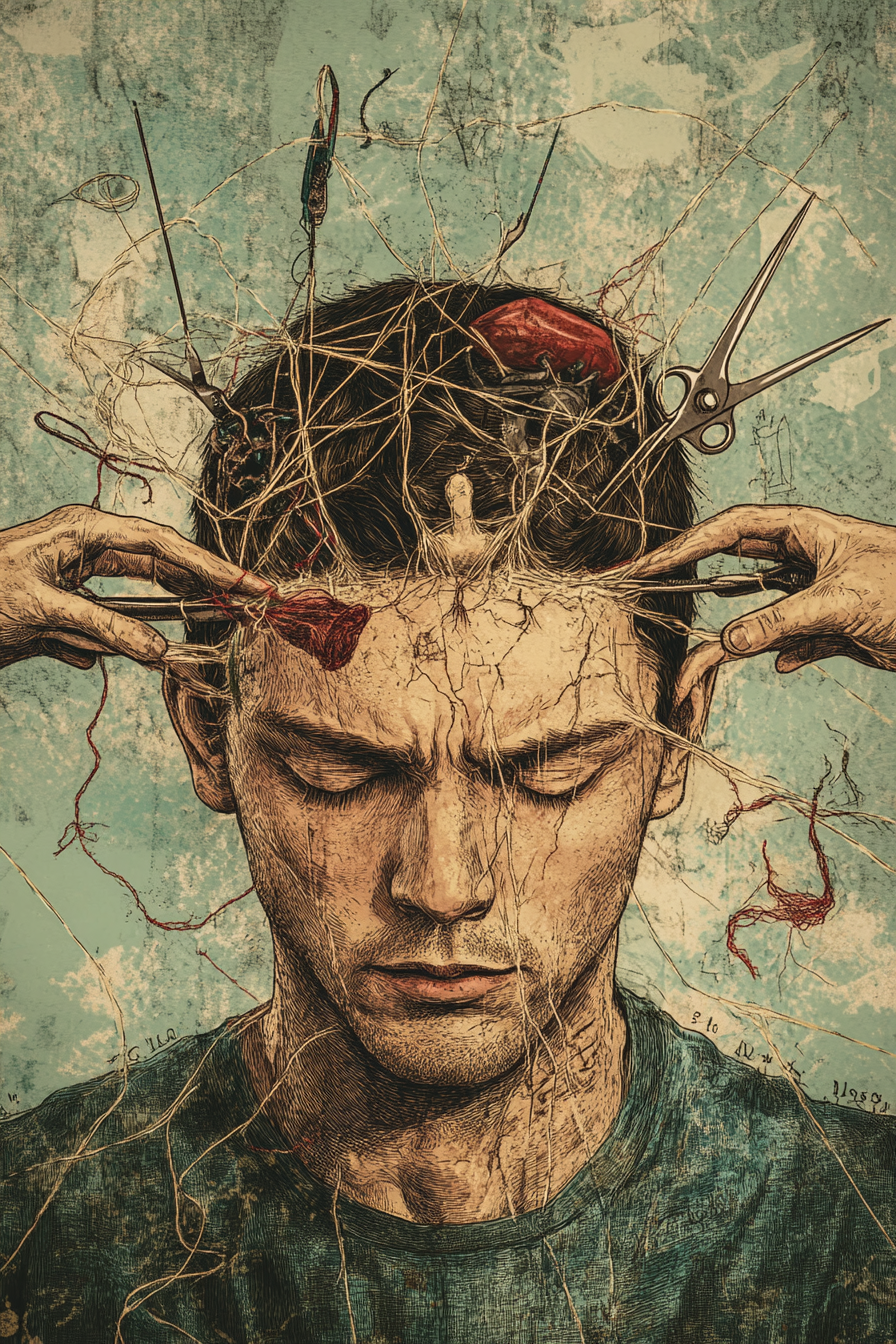
Artificial Intelligence (AI) is not just a buzzword; it’s a transformative force that is reshaping the landscape of creativity across various domains. From art and music to writing and design, AI is opening up a world of possibilities that were once confined to the realm of imagination. Have you ever thought about how machines can collaborate with humans to create something truly unique? This article dives into the fascinating ways AI is influencing creativity and what it means for the future. It’s like having a brainstorming partner who never runs out of ideas!
Artificial intelligence is revolutionizing the visual arts by enabling new forms of creativity, allowing artists to collaborate with machines, and generating unique pieces that challenge traditional notions of authorship and originality. Imagine an artist working side by side with an AI system that can analyze thousands of artworks in seconds, suggesting color palettes and styles that the artist might not have considered. This collaboration can lead to stunning pieces that blend human emotion with machine precision. AI-generated artworks are not just replicas; they are innovative creations that provoke thought and spark conversation about the nature of creativity itself.
AI technologies are transforming music composition by assisting musicians in creating innovative sounds and compositions, leading to collaborations that push the boundaries of genres and redefine the music industry landscape. Think about it: a musician can use AI to generate a melody, explore different chord progressions, or even create a full orchestral piece. This technology allows artists to experiment with sounds that might be outside their usual repertoire. The result? A fusion of styles that can lead to entirely new genres of music!
In the realm of creative writing, AI tools are emerging as valuable assistants, helping authors brainstorm ideas, develop plots, and even generate entire narratives, fostering a new wave of storytelling possibilities. Have you ever faced writer’s block? AI can help you overcome that hurdle by suggesting plot twists or character developments that you might not have thought of. It’s like having a co-writer who knows every trope and theme in literature, ready to lend a hand whenever you need it.
The integration of AI in design and architecture is enhancing the creative process, enabling designers to explore complex patterns, optimize functionality, and create sustainable solutions that were previously unimaginable. For instance, AI can analyze environmental data to suggest designs that are not only aesthetically pleasing but also energy-efficient. This technology empowers architects to push the boundaries of what is possible, creating spaces that are both beautiful and functional.
As AI becomes more involved in creative processes, ethical considerations arise regarding authorship, originality, and the potential impact on human creativity. Questions like, “Who owns the rights to an AI-generated artwork?” or “Can a machine truly be considered an artist?” prompt discussions about the future of artistic expression in a digital age. It’s essential to navigate these conversations carefully to ensure that human creativity remains at the forefront of artistic endeavors.
AI in Visual Arts
Artificial intelligence is not just a buzzword; it’s a catalyst for change in the visual arts. Imagine a world where machines and humans join forces to create breathtaking masterpieces. This is exactly what AI is enabling today. Artists are no longer confined to traditional methods; they can now collaborate with algorithms that generate unique visual art, pushing the boundaries of creativity. It’s like having a digital brush that can paint in ways we never thought possible!
One of the most exciting aspects of AI in visual arts is its ability to generate artwork that challenges our conventional notions of authorship and originality. For instance, AI algorithms analyze thousands of artworks, learning styles, techniques, and color palettes. They can then produce new pieces that are entirely original yet reminiscent of various artistic movements. This raises intriguing questions: Who is the true artist—the human or the machine? Is a piece of art less valuable if a computer helped create it?
Moreover, AI can assist artists in their creative process. Consider the following ways AI is reshaping the visual arts landscape:
- Collaboration: Artists can use AI tools to brainstorm ideas and explore new concepts, leading to innovative outcomes that blend human intuition with machine learning.
- Style Transfer: With techniques like neural style transfer, AI can apply the style of one artwork to another, creating stunning visual hybrids that surprise and delight.
- Art Restoration: AI is also making waves in art conservation, helping to restore damaged artworks by predicting what the original might have looked like.
This collaboration between human creativity and machine intelligence is akin to a dance, where both partners bring their strengths to the floor. Artists can experiment with new forms and styles, while AI can process vast amounts of data to uncover trends and possibilities that might escape the human eye. The result? A vibrant, dynamic art scene that is constantly evolving.
However, this integration of AI in visual arts is not without its challenges. As we embrace these technological advancements, we must also grapple with the ethical implications. Questions of authorship, originality, and the potential dilution of human creativity loom large. Are we at risk of losing the emotional depth that comes from human-made art? Or can AI enhance our creative expression in ways we have yet to imagine?
In conclusion, AI is not just a tool; it’s a partner in the creative process. As artists continue to explore this exciting frontier, we can expect to see a fusion of technology and artistry that will redefine what it means to create. The future of visual arts is bright, and it’s powered by the incredible potential of artificial intelligence.
AI in Music Composition
Artificial intelligence is fundamentally changing the landscape of music composition, and the results are nothing short of fascinating. Imagine a world where musicians collaborate with intelligent algorithms, creating sounds that were once thought impossible. This partnership is not just a trend; it’s a revolution that is reshaping how we think about music itself. With AI technologies at their fingertips, musicians can explore new avenues of creativity, pushing the boundaries of genres and redefining what it means to compose music.
One of the most exciting aspects of AI in music composition is its ability to assist artists in generating innovative sounds. Picture an AI system that analyzes thousands of songs, learning the intricacies of melody, harmony, and rhythm. It can then suggest unique combinations that a human composer might never consider. This process is akin to having a brainstorming partner who never runs out of ideas, providing a fresh perspective that can lead to groundbreaking compositions.
Moreover, AI is not just a tool for individual musicians; it also fosters collaboration across the music industry. For instance, AI-driven platforms allow artists from different genres to come together, creating hybrid sounds that blend elements from various musical traditions. This collaboration can lead to unexpected and delightful results, much like mixing paint colors to create a stunning new hue. The fusion of styles not only enriches the music landscape but also opens up new markets and audiences.
As AI continues to evolve, we are witnessing the emergence of entirely new genres of music. Algorithms are capable of generating compositions that mimic the styles of legendary artists while introducing novel elements that keep listeners engaged. Some AI programs can even compose entire symphonies in a matter of minutes! This rapid production capability challenges traditional notions of music creation, where time and human effort have always been significant factors.
However, the integration of AI in music composition does raise some questions. Who owns the rights to a song created by an AI? Is it the programmer, the musician, or the AI itself? These ethical considerations are vital as we navigate this new territory. It’s essential to strike a balance between leveraging technology for creativity and maintaining the human touch that gives music its emotional depth.
In conclusion, the impact of AI on music composition is profound and multifaceted. It not only enhances the creative process for musicians but also invites us to rethink our understanding of music itself. As we embrace these technological advancements, we must remain mindful of the ethical implications and continue to celebrate the artistry that makes music a uniquely human experience.
AI in Creative Writing
In the realm of creative writing, artificial intelligence is emerging as a game-changer, providing authors with tools that not only enhance their productivity but also expand their creative horizons. Imagine sitting down to write, and instead of staring at a blank page, you have a virtual assistant ready to brainstorm ideas, develop intricate plots, and even generate entire narratives. Sounds like something out of a sci-fi movie, right? But this is the reality we are stepping into, where AI becomes a collaborator rather than a competitor.
One of the most exciting aspects of AI in creative writing is its ability to analyze vast amounts of data from existing literature. By doing so, AI can identify patterns, themes, and styles that resonate with readers. This capability allows writers to discover new angles to explore in their storytelling. For instance, AI can suggest plot twists or character developments that a writer might not have considered. It’s like having a brainstorming buddy who never runs out of ideas!
Furthermore, AI tools can assist in the editing process, making it easier for authors to refine their work. Imagine having an AI editor that not only checks for grammatical errors but also offers suggestions on improving sentence structure, enhancing dialogue, or even enriching character arcs. This level of assistance can significantly cut down the time spent on revisions, allowing writers to focus more on their creative vision.
However, the integration of AI into creative writing is not without its controversies. Questions arise regarding authorship and originality. If an AI generates a story, who owns the rights to that narrative? Is it the programmer, the user, or the AI itself? These ethical considerations are crucial as we navigate this new landscape. Authors must grapple with the implications of using AI as a co-writer while ensuring their unique voice and style remain intact.
Moreover, AI can help foster inclusivity in storytelling. By analyzing diverse narratives from different cultures and backgrounds, AI can recommend themes and styles that might resonate with underrepresented voices. This opens the door for a richer tapestry of stories that reflect the complexities of human experience. In a world where stories can shape perceptions and foster empathy, this is a powerful opportunity.
In conclusion, the rise of AI in creative writing is not just a trend; it’s a revolution. As technology continues to evolve, so will the tools available to writers. Embracing AI as a partner in the creative process could lead to a new wave of storytelling that captivates audiences in ways we’ve yet to imagine. So, the next time you sit down to write, consider how AI could help unleash your imagination and take your storytelling to the next level!
AI in Design and Architecture
Artificial Intelligence is not just a buzzword; it’s a game-changer in the realms of design and architecture. Imagine a world where architects can visualize their ideas in real-time, adjusting designs with a mere thought. AI is making this a reality, enabling professionals to explore complex patterns and structures that were previously beyond reach. With algorithms that can analyze vast amounts of data, AI helps architects create buildings that are not only aesthetically pleasing but also environmentally sustainable.
One of the most fascinating aspects of AI in design is its ability to optimize functionality. For instance, AI can simulate how a building will interact with its environment, considering factors such as sunlight, wind patterns, and even human traffic. This means that architects can create spaces that are not only beautiful but also practical and efficient. It’s like having a super-smart assistant who knows exactly what works best in any given scenario!
Moreover, AI tools are capable of generating innovative designs based on specific parameters set by the designer. This collaboration between human creativity and machine intelligence can lead to astonishing results. For example, AI can produce multiple design options in a fraction of the time it would take a human, allowing architects to focus more on the creative aspects of their projects. The integration of AI is reshaping the creative process, making it more dynamic and engaging.
Let’s take a look at some of the key benefits of using AI in design and architecture:
- Enhanced Creativity: AI can inspire designers by suggesting new ideas and concepts that they may not have considered.
- Efficiency: Automating repetitive tasks allows architects to dedicate more time to creative problem-solving.
- Sustainability: AI can analyze environmental data to suggest designs that minimize ecological impact.
- Cost-Effectiveness: By optimizing designs, AI can help reduce material waste and construction costs.
However, as we embrace the potential of AI in design and architecture, we must also consider the implications it brings. Questions about authorship and the role of human creativity arise. Are we still the creators if machines are doing a significant part of the work? This dialogue is crucial as we navigate this new frontier. The future of architectural design could very well be a harmonious blend of human intuition and AI precision.
In conclusion, the integration of AI in design and architecture is a thrilling evolution that opens up endless possibilities. It challenges traditional practices while enhancing creativity and efficiency. As we look to the future, one thing is clear: AI is not here to replace human creativity but to augment it, paving the way for a new era of design that is as innovative as it is inspiring.
Ethical Considerations in AI Creativity
As we dive deeper into the realm of artificial intelligence (AI) and its role in creativity, it’s crucial to address the ethical considerations that come hand-in-hand with these advancements. The emergence of AI-generated art, music, and writing raises questions about authorship, originality, and the very essence of creativity itself. Who really owns a piece of art created by an AI? Is it the programmer, the user, or the machine itself? These questions are not merely academic; they challenge our understanding of what it means to create.
Moreover, as AI technologies become more sophisticated, they can replicate styles and techniques that belong to human artists. This leads to concerns about intellectual property rights. Imagine a world where an AI can produce a painting that looks strikingly similar to a Van Gogh, or compose a piece of music that mirrors Beethoven’s symphonies. This blurring of lines can create a sense of unease among artists who fear their unique styles may be diluted or appropriated without credit.
Another significant ethical consideration is the potential impact of AI on human creativity. While some argue that AI can enhance our creative abilities, there’s a counterargument that suggests it may stifle genuine human expression. If we rely too heavily on AI tools, could we risk becoming mere curators of machine-generated content rather than original creators? This leads us to ponder: Is AI a tool for enhancement or a crutch that limits our creative potential?
To navigate these ethical waters, it’s essential to foster a dialogue among artists, technologists, and ethicists. Here are some key points to consider:
- Transparency: There should be clear guidelines about how AI-generated content is created and attributed.
- Accountability: Developers and users of AI tools must take responsibility for the outputs they produce.
- Inclusivity: We should ensure that diverse voices are represented in discussions about AI and creativity.
As we explore the future of creativity in the age of AI, it’s vital to strike a balance between innovation and ethical responsibility. The creative landscape is changing, and while AI offers remarkable opportunities, we must remain vigilant to ensure that the human touch in art and creativity is not lost. Ultimately, the conversation surrounding AI creativity is just beginning, and it is up to us to shape its trajectory in a way that respects both technological advancement and the essence of human artistry.
Frequently Asked Questions
- How is AI changing the way we create art?
AI is transforming the art world by enabling artists to collaborate with machines, generating unique pieces that challenge traditional ideas of authorship. It opens up new avenues for creativity, allowing artists to explore styles and techniques they might not have considered before.
- Can AI compose music that resonates with human emotions?
Absolutely! AI technologies are now assisting musicians in crafting innovative sounds and compositions. By analyzing existing music patterns, AI can help create tunes that evoke emotions, pushing the boundaries of genres and redefining the music landscape.
- What role does AI play in creative writing?
AI tools are becoming invaluable in creative writing. They assist authors in brainstorming ideas, developing plots, and even generating entire narratives, fostering a new wave of storytelling that combines human creativity with machine efficiency.
- How is AI impacting design and architecture?
In design and architecture, AI enhances the creative process by enabling designers to explore complex patterns and optimize functionality. This results in sustainable solutions that were once unimaginable, allowing for innovative designs that meet modern needs.
- What ethical concerns arise from AI in creative fields?
As AI becomes more integrated into creative processes, ethical considerations about authorship and originality come to the forefront. There are ongoing discussions about how AI’s involvement might impact human creativity and the future of artistic expression in our digital age.
Leave a Reply