
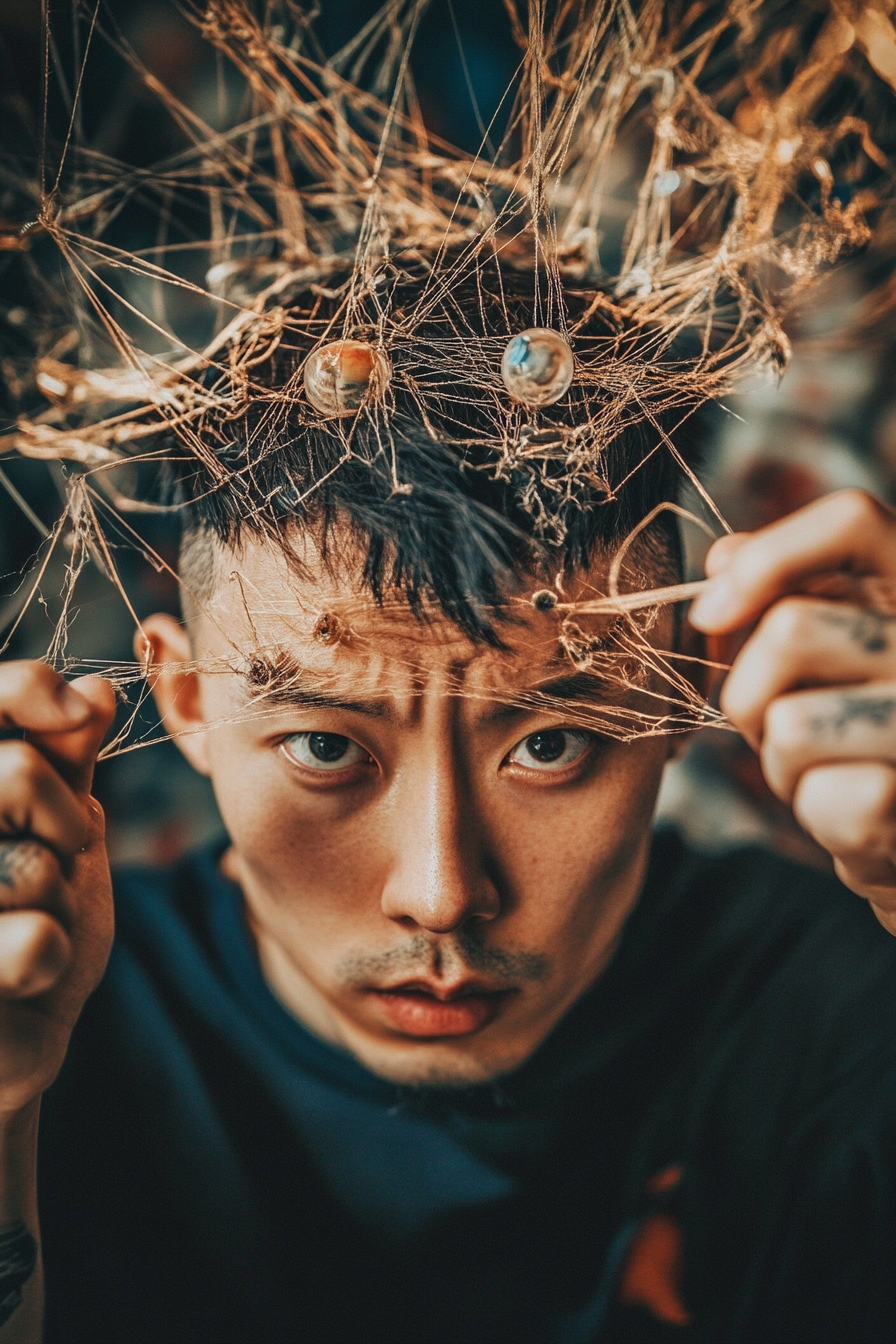
In a world where technology evolves at lightning speed, the rise of artificial intelligence (AI) is nothing short of revolutionary. It’s like stepping into a sci-fi movie where machines not only assist us but also create stunning works of art, compose soul-stirring music, and pen captivating stories. Imagine a canvas where every brushstroke is guided by algorithms, or a symphony composed not by a human hand but by lines of code. This is not just a dream; it’s the reality we’re living in today. AI is reshaping the very fabric of creativity across various fields, and it’s time we explore how this transformation is unfolding.
When we think of visual arts, we often envision artists pouring their hearts into canvases. But now, AI is stepping into this realm, using generative algorithms to create pieces that challenge our understanding of creativity. These algorithms analyze vast amounts of data—styles, techniques, and historical art movements—to produce works that are not only visually stunning but also conceptually rich. Artists can now collaborate with AI, pushing the boundaries of traditional art forms. It’s like having a creative partner who never runs out of ideas! For instance, AI-generated art can evoke emotions similar to human-made pieces, raising questions about the essence of creativity itself.
Music, a universal language, is also experiencing a transformation thanks to AI. With machine learning algorithms, AI can compose original pieces that resonate with listeners on a profound level. It’s fascinating to think that a computer can mimic the styles of legendary composers while also experimenting with new sounds. Imagine a world where musicians collaborate with AI to create unique tracks that blend genres seamlessly. This partnership not only enhances creativity but also democratizes music production, allowing aspiring artists to produce high-quality compositions without needing extensive resources. Just think of AI as your personal music producer, always ready to help you hit the right notes!
In the literary world, AI is making its mark by assisting authors in generating ideas and enhancing narratives. Tools powered by AI can analyze existing literature to suggest plot twists, character developments, and even dialogue. This has sparked a lively debate about authorship—if a machine can help write a novel, who gets the credit? Yet, rather than replacing human writers, AI serves as a catalyst for creativity, pushing authors to explore new themes and styles. It’s like having a brainstorming buddy who’s read every book ever written, providing insights that can elevate your story to new heights.
As we embrace the creative potential of AI, we must also confront the ethical implications it brings. Questions about copyright, authenticity, and bias in AI-generated content are at the forefront of discussions. For instance, if an AI creates a piece of art, who owns the rights? And how do we ensure that the data used to train these algorithms is free from bias? These are critical issues that require careful consideration as we navigate this new landscape of creativity.
Looking ahead, the future of AI in creative fields is brimming with potential. As technology advances, we can expect even more sophisticated collaborations between humans and machines. The definition of creativity itself may evolve, blurring the lines between human and AI-generated content. It’s an exciting time to be part of this journey, as we explore the endless possibilities that AI offers to enhance our creative expressions.
AI in Visual Arts
Artificial Intelligence is revolutionizing the world of visual arts in ways that were once confined to the realm of science fiction. Imagine walking into a gallery and being greeted by a stunning piece of artwork that was entirely created by a machine. Sounds surreal, right? But it’s happening now! With the advent of generative algorithms, artists are discovering new creative avenues that push the boundaries of traditional art forms. These algorithms analyze vast datasets of existing art, learning styles, techniques, and even the emotional undertones of various pieces. This allows them to produce original works that can evoke feelings just like those created by human hands.
One of the most fascinating aspects of AI in visual arts is its ability to collaborate with human artists. For instance, tools like DeepArt and Artbreeder allow artists to input their ideas and then let the AI generate multiple interpretations of those concepts. This collaboration can lead to unexpected results, sparking a creative dialogue between human intuition and machine precision. The outcome? A unique blend of styles that can surprise even the most seasoned artists. It’s like having a creative partner who never runs out of ideas!
Moreover, AI is not only creating art; it’s also changing how we perceive it. With the help of AI, we can analyze trends in art history and predict future movements. This capability is invaluable for curators and collectors who want to stay ahead of the curve. For example, AI can process data from social media platforms and art sales to identify emerging artists and styles that are gaining popularity. This kind of insight can shape the future of galleries and exhibitions, ensuring they feature the most relevant and exciting works.
However, with great power comes great responsibility. The rise of AI in visual arts also raises important questions about authorship and authenticity. If an AI creates a masterpiece, who owns the rights to that work? Is it the programmer, the user, or the machine itself? These questions are crucial as we navigate this new landscape. Additionally, there’s the risk of bias in AI-generated art, stemming from the datasets used to train these algorithms. If the data reflects cultural biases, the resulting art may also perpetuate those biases, leading to a lack of diversity in AI-generated works.
In conclusion, AI is not just a tool; it’s a transformative force in the visual arts. It opens doors to new possibilities, challenges our definitions of creativity, and prompts us to rethink what it means to be an artist in the 21st century. As we continue to explore this exciting intersection of technology and creativity, one thing is clear: the future of visual arts is bright, and AI is at the forefront of this artistic revolution.
AI in Music Composition
Have you ever wondered how your favorite tunes are crafted? With the rise of artificial intelligence, music composition is entering an exhilarating new era. Imagine algorithms that can not only understand but also create music! These machine learning models are revolutionizing the way we think about music, allowing for a blend of creativity and technology that was once the stuff of science fiction.
AI’s role in music composition is multifaceted. For starters, it can analyze vast libraries of existing music to identify patterns, structures, and styles. This ability enables AI to compose original pieces that resonate with listeners. Artists and producers are now collaborating with AI to explore new sounds and genres, pushing the boundaries of traditional music-making. It’s like having a musical partner who never runs out of ideas!
One of the most fascinating aspects of AI in music is its capability to mimic specific styles and genres. For example, AI can emulate the intricate melodies of classical composers or the catchy hooks of modern pop. This opens up a world of possibilities for musicians. Imagine being able to generate a new symphony that sounds like it was composed by Beethoven or a pop hit reminiscent of Taylor Swift—all with the help of an algorithm! It’s a bit like having a time machine for music.
Moreover, AI tools are becoming increasingly accessible to both amateur and professional musicians. Software like AIVA and Amper Music allows users to create compositions by simply inputting parameters such as mood, tempo, and style. This democratization of music creation means that anyone with a passion for music can experiment and produce their own tracks without needing extensive training or resources. It’s a game-changer for aspiring artists!
However, the integration of AI in music composition doesn’t come without its challenges. While AI can generate impressive compositions, it raises questions about authorship and creativity. If an AI creates a hit song, who owns the rights? Is it the programmer, the user, or the machine itself? These questions spark lively debates in the music industry and among ethicists alike.
As we look to the future, it’s clear that AI will continue to play a significant role in music composition. The potential for collaboration between human creativity and machine intelligence is boundless. Artists can use AI as a tool to enhance their own creativity, leading to innovative musical experiences that we can only begin to imagine. The question remains: how will we adapt to this new landscape of music, and how will it shape our understanding of what it means to be a creator?
In conclusion, AI is not just a trend; it’s a transformative force in the world of music. With its ability to compose, collaborate, and innovate, AI is redefining the art of music composition. So, the next time you hear a catchy tune, take a moment to consider the possibility that an AI might have had a hand in its creation. The future of music is here, and it’s more exciting than ever!
AI in Literature and Writing
When we think about creativity, we often picture a solitary writer, hunched over a desk, pouring their heart and soul into a blank page. But what if I told you that artificial intelligence is now stepping into this intimate space? AI is not just a tool; it’s becoming a partner in the creative process, transforming the landscape of literature and writing in ways we never imagined. From generating ideas to crafting entire narratives, AI is proving that it can be a valuable ally for authors everywhere.
One of the most fascinating aspects of AI in writing is its ability to assist in the idea generation phase. Imagine you’re staring at a blank page, and suddenly, an AI tool suggests a plot twist or a character trait you hadn’t considered. This isn’t science fiction; it’s happening right now! Tools like OpenAI’s GPT-3 and other machine learning models can analyze vast amounts of text to provide writers with fresh ideas, helping them overcome that dreaded writer’s block. It’s like having a brainstorming buddy who never runs out of suggestions!
Moreover, AI can enhance narratives by providing stylistic suggestions and helping to refine a writer’s voice. Some platforms utilize algorithms that analyze a writer’s previous work, suggesting edits that align with their unique style. This not only saves time but also allows authors to focus more on the creative aspects of their writing. Isn’t it incredible to think that a machine can understand the nuances of human expression?
However, the conversation doesn’t stop at assistance. AI is also capable of generating entire pieces of literature. For instance, there are AI programs that can produce short stories, poems, and even full-length novels. While some may argue that this diminishes the authenticity of literature, others see it as an opportunity to explore new genres and styles. After all, if a machine can create something that resonates with readers, who’s to say it lacks value?
Despite these advancements, the rise of AI in literature raises important questions about authorship and creativity. If an AI generates a bestselling novel, who owns the rights? Is it the programmer, the user, or the machine itself? Additionally, there’s the concern of bias in AI outputs, as these systems learn from existing texts that may contain societal prejudices. This can lead to the perpetuation of stereotypes and the creation of content that doesn’t reflect the diverse world we live in.
As we embrace the possibilities that AI presents in literature and writing, it’s crucial to navigate these ethical waters carefully. The future of storytelling may very well be a collaboration between human and machine, where the strengths of both can lead to groundbreaking narratives. So, the next time you read a captivating story, ask yourself: could AI have had a hand in its creation? The lines between human and machine creativity are becoming increasingly blurred, and it’s an exciting time to witness this evolution!
Ethical Considerations of AI Creativity
As we dive into the fascinating world of AI’s creative capabilities, we must also confront the ethical implications that come along for the ride. With machines now capable of producing art, music, and literature, the question arises: who owns this creativity? Is it the programmer, the user, or the AI itself? These questions are not merely academic; they can have real-world consequences in terms of copyright, ownership, and authenticity.
One of the most pressing issues is the copyright dilemma. Traditionally, copyright law protects the rights of creators, ensuring they receive recognition and compensation for their work. But when an AI generates a piece of art or a song, the line becomes blurred. For instance, if an AI creates a painting that resembles the style of a famous artist, who gets the credit? The original artist, the AI’s developer, or the person who commissioned the work? This ambiguity raises concerns about intellectual property rights and whether current laws are equipped to handle such scenarios.
Moreover, the authenticity of AI-generated content is another critical area of concern. Can we genuinely consider a piece of music or a novel created by an algorithm to be “art”? Some argue that creativity requires a human touch, an emotional depth that machines simply cannot replicate. This brings us to the question of emotional connection. For many, art is a reflection of human experience, and if AI lacks the ability to feel, can it truly create?
Additionally, we cannot ignore the potential for bias in AI outputs. AI systems learn from data, and if that data is flawed or biased, the resulting creative works can perpetuate stereotypes or misinformation. For instance, an AI trained on a limited dataset may produce art that lacks diversity or fails to represent marginalized voices. This raises ethical questions about the responsibility of developers to ensure their algorithms are trained on comprehensive and inclusive datasets.
To better understand these ethical considerations, let’s summarize some key points:
- Copyright Issues: Who owns AI-generated content?
- Authenticity: Can AI truly create art, or is it merely mimicking?
- Bias: How do we prevent AI from perpetuating stereotypes?
As we look to the future, it’s essential to navigate these ethical waters carefully. The collaboration between humans and AI holds immense potential for creativity, but we must ensure that this partnership does not come at the cost of our ethical standards. By engaging in open discussions and developing robust frameworks, we can harness the power of AI while respecting the values that underpin human creativity.
The Future of AI and Creativity
The future of AI and creativity is not just a fascinating topic; it’s a rapidly evolving landscape that promises to reshape how we think about art, music, literature, and beyond. Imagine a world where machines and humans collaborate seamlessly, pushing the boundaries of what’s possible in creative expression. As technology advances, we find ourselves at the intersection of human imagination and artificial intelligence, where the potential for innovation is limitless.
One of the most exciting prospects is the idea of collaborative creativity. Picture this: an artist sitting down with an AI program that can suggest color palettes, styles, or even entire compositions based on the artist’s previous works. This partnership could lead to art that is not only visually stunning but also deeply resonant with the emotions and experiences of the artist. The AI acts as a muse, providing fresh perspectives that might not have been considered otherwise.
Moreover, the realm of music composition is undergoing a similar transformation. AI can analyze vast databases of music, learning the intricacies of various genres and styles. This allows it to compose original pieces that can stand alongside human-created music. Imagine a world where a musician collaborates with an AI to create a new genre, blending classical harmonies with modern electronic beats. The possibilities are as exhilarating as they are endless!
But what does this mean for traditional definitions of creativity? As AI continues to evolve, we may need to rethink our understanding of authorship and originality. If an AI can generate a bestseller or compose a chart-topping hit, who gets the credit? Is it the programmer, the AI itself, or the human who guided its development? These questions challenge the very fabric of what we consider to be creative genius.
As we speculate about the future, it’s crucial to acknowledge the ethical implications that accompany these advancements. With AI’s ability to generate content comes the responsibility to ensure that it is used ethically. Issues such as copyright infringement, the authenticity of AI-generated works, and the potential for bias in AI outputs must be addressed. We must strive for a future where AI enhances human creativity without overshadowing it.
In conclusion, the future of AI and creativity is an exciting frontier that beckons us to explore uncharted territories. As we embrace this technological evolution, we must remain vigilant and thoughtful about the implications it carries. The collaboration between humans and machines could lead to a renaissance of creativity, where the only limit is our imagination. So, are you ready to embark on this journey into the future?
Frequently Asked Questions
- What role does AI play in visual arts?
AI is revolutionizing visual arts by using generative algorithms that allow artists to explore new creative avenues. These algorithms can create unique pieces of art, blending styles and pushing the boundaries of traditional art forms. It’s like having a creative partner that never runs out of ideas!
- Can AI compose music?
Absolutely! AI can compose original music pieces by analyzing patterns and styles from various genres. It collaborates with musicians, helping them create new sounds or even mimic established styles. Think of it as having a musical genius at your fingertips, ready to jam whenever you are!
- How does AI influence writing and literature?
AI tools assist authors in generating ideas, enhancing narratives, and even drafting entire novels. By analyzing vast amounts of text, AI can suggest plot twists or character developments, making the writing process smoother and more innovative. It’s like having a brainstorming buddy who’s always there to help!
- What are the ethical implications of AI-generated content?
There are several ethical concerns, including copyright issues surrounding AI-generated works and questions about the authenticity of creativity. Additionally, AI can sometimes reflect biases present in its training data, leading to skewed outputs. It’s crucial to navigate these waters carefully to ensure fairness and transparency.
- What does the future hold for AI in creative fields?
The future looks bright! As technology advances, we can expect even more sophisticated collaborations between humans and machines. The definition of creativity itself may evolve, leading to exciting new forms of artistic expression. Imagine a world where AI and humans co-create masterpieces together!
Leave a Reply