
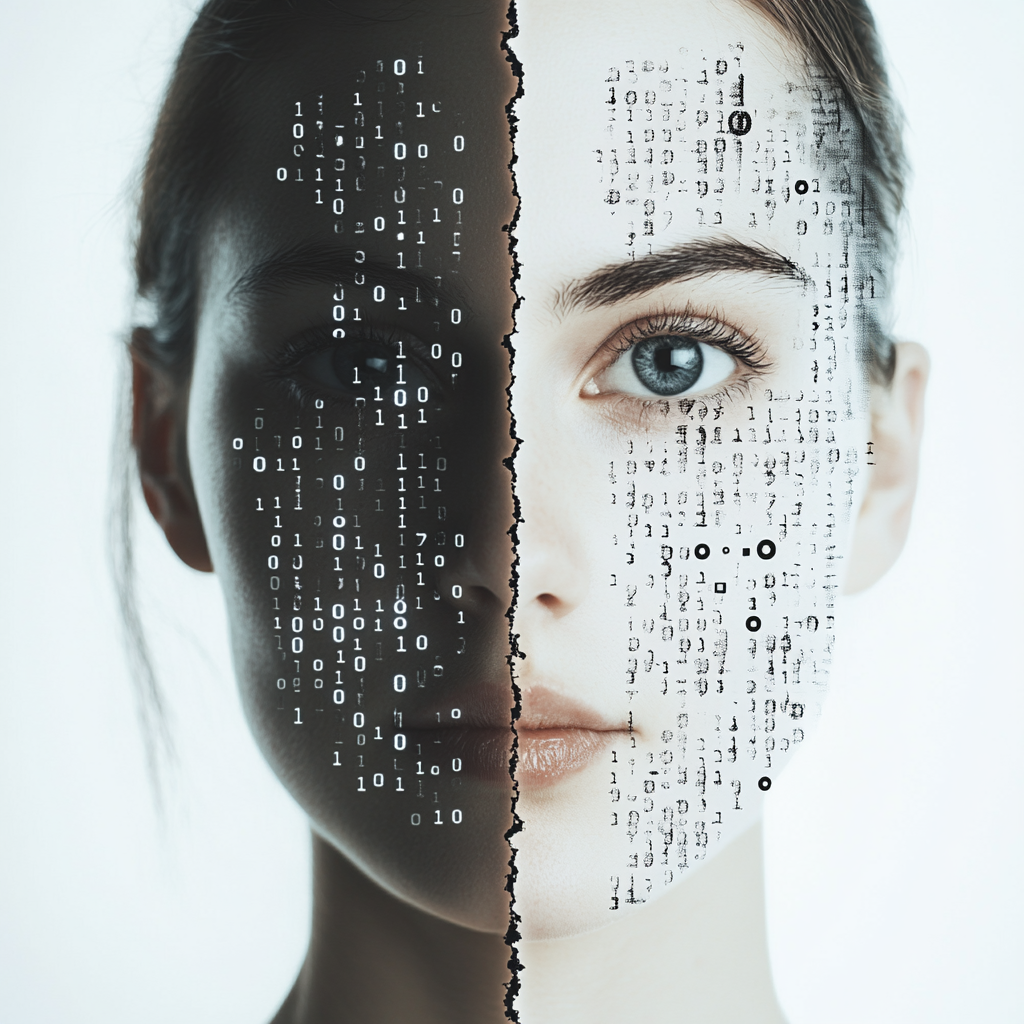
Artificial Intelligence (AI) is no longer just a futuristic concept; it’s rapidly becoming an integral part of our daily lives. Imagine a world where machines not only assist us but also collaborate with us in creative endeavors. This is a reality that is unfolding right now, as AI technologies evolve and expand their capabilities. From art to music, writing to filmmaking, AI is transforming the landscape of creativity in ways we never thought possible.
Have you ever wondered how artists can push the boundaries of their craft? With AI tools at their disposal, they can explore new realms of expression. Artists are utilizing algorithms to generate stunning visuals that blend human creativity with machine precision. This collaboration often results in unique pieces that challenge traditional notions of authorship and creativity. For instance, AI can analyze vast datasets of existing artworks and suggest innovative styles or techniques that an artist might not have considered. The outcome? A fresh wave of artistic expression that captivates audiences and expands the definition of what art can be.
In the realm of music, AI is composing melodies that resonate with listeners on a profound level. Musicians are no longer working in isolation; they are teaming up with AI to create complex harmonies and rhythms. Imagine a musician inputting their ideas into an AI system, which then generates a full orchestral arrangement. This partnership allows for a rich tapestry of sound that can evoke emotions and tell stories in ways that are both familiar and novel. It’s as if AI acts as a creative partner, enhancing the musician’s vision and pushing the limits of musical innovation.
But the influence of AI doesn’t stop there. In the world of literature, writers are discovering how AI can serve as a source of inspiration. Picture this: you’re staring at a blank page, struggling to find the right words. With AI writing assistants, you can brainstorm ideas, develop plots, and even co-author stories. These tools analyze existing texts and provide suggestions that can spark your imagination. This collaboration fosters new literary forms, blending human emotion with AI’s analytical prowess.
As we delve deeper into filmmaking, AI is revolutionizing the way stories are told on screen. From scriptwriting to post-production, AI tools are streamlining processes and enhancing creativity. For example, AI algorithms can analyze scripts to predict audience reactions or suggest edits that improve pacing and engagement. Moreover, in visual effects, AI can create breathtaking imagery that transports viewers to fantastical worlds. The result is a cinematic experience that is richer and more immersive than ever before.
However, as we embrace these exciting advancements, we must also confront the ethical considerations that come with AI’s involvement in creative processes. Questions of ownership, authenticity, and the preservation of human creativity loom large. As we navigate this new landscape, it’s crucial to find a balance that allows us to harness the power of AI while celebrating the irreplaceable essence of human artistry.
In conclusion, the future of AI in creativity is not just about machines taking over; it’s about collaboration and enhancement. By embracing AI, we can unlock new possibilities and redefine the boundaries of our creative potential. The journey ahead is thrilling, and the possibilities are truly limitless.
The Role of AI in Art and Design
Artificial Intelligence is not just a buzzword; it’s a game-changer in the world of art and design. Imagine walking into a gallery where paintings are not just created by human hands but also by algorithms that learn and adapt. This is the new reality where AI tools are empowering artists to push the boundaries of creativity. Artists are now able to combine their unique visions with the computational power of AI, resulting in stunning, one-of-a-kind pieces that challenge our traditional understanding of art.
One of the most exciting aspects of AI in art is its ability to analyze vast amounts of data. For example, AI can study thousands of paintings to identify patterns, styles, and techniques that might not be immediately apparent to the human eye. This capability allows artists to experiment with new styles and forms, creating art that is both innovative and reflective of various influences. It’s like having a creative partner who never tires of brainstorming ideas!
Moreover, AI is also being utilized in design fields such as graphic design, fashion, and architecture. Designers are using AI algorithms to generate layouts, color palettes, and even entire fashion collections. The collaboration between human intuition and machine learning opens up a world of possibilities. For instance, AI can suggest designs based on current trends or even predict future styles, helping designers stay ahead of the curve.
Here’s a quick look at how AI is making waves in different areas of art and design:
- Generative Art: Artists use AI algorithms to create unique artworks that can evolve over time.
- Augmented Reality: AI enhances user experiences by overlaying digital art onto physical spaces.
- Personalized Art: AI can analyze personal preferences to create customized artwork for individuals.
But it’s not just about creation; AI is also transforming the way we experience art. With tools like virtual reality and interactive installations, viewers can engage with art in immersive ways that were previously unimaginable. Imagine stepping into a painting where you can walk around and interact with the elements within it—this is the future that AI is helping to create!
However, as we embrace these technological advancements, it’s essential to consider the ethical implications of AI in art. Questions about authorship and originality arise when machines can create art that rivals human creativity. Who owns a piece created by an AI? Is it the artist who programmed the algorithm, or the machine itself? These are complex issues that necessitate ongoing discussions as we navigate this brave new world of art and design.
In conclusion, the role of AI in art and design is not just about enhancing creativity; it’s about redefining what art can be. As artists and designers harness the power of AI, we can expect a future filled with innovation, collaboration, and a deeper appreciation for the creative process. The canvas of tomorrow is not just blank; it’s alive with possibilities!
AI in Music Composition
Imagine a world where the boundaries of musical creativity are pushed beyond the limits of human imagination. AI is not just a tool; it’s a collaborator in the music composition process, reshaping the way artists create and innovate. Musicians today are embracing AI technologies to explore new soundscapes and generate melodies that they might never have conceived on their own. This partnership between human creativity and artificial intelligence is sparking a revolution in the music industry.
One of the most exciting aspects of AI in music composition is its ability to analyze vast amounts of data. By studying patterns in existing music, AI can generate compositions that reflect various genres, styles, and even emotional tones. For instance, AI algorithms can dissect the works of legendary composers like Beethoven or contemporary pop icons, identifying the elements that make their music resonate with audiences. This capability allows musicians to create unique blends of styles, resulting in innovative pieces that challenge traditional norms.
Moreover, AI tools are becoming increasingly user-friendly, enabling musicians of all skill levels to harness their power. Programs like OpenAI’s MuseNet and Google’s Magenta allow users to input a few notes or a melody, and the AI will generate a full composition based on that input. This makes music composition more accessible, providing a platform for aspiring artists to experiment and develop their sound without needing extensive training. Imagine being able to collaborate with an AI that can instantly create harmonies, suggest chord progressions, or even provide rhythmic variations!
However, the integration of AI in music composition raises some intriguing questions. What does it mean for creativity when a machine can produce music? Is AI merely a tool, or does it have the potential to become a co-creator? These questions are essential as we navigate the evolving landscape of music production. Musicians must find a balance between utilizing AI’s capabilities and preserving their unique artistic voice.
In conclusion, the fusion of AI and music composition is a thrilling frontier. It opens doors to a plethora of creative possibilities, allowing artists to explore new territories while retaining their individuality. As we look to the future, it’s clear that the collaboration between humans and AI will continue to redefine what it means to create music, leading to a vibrant and diverse musical landscape that we can only begin to imagine.
AI and Creative Writing
Artificial intelligence is making waves in the literary world, and it’s about time we take notice! Imagine sitting in your favorite café, sipping a latte, while your AI assistant helps you brainstorm ideas for your next novel. Sounds like science fiction, right? But it’s happening now! AI tools are not just fancy gadgets; they are becoming essential partners for writers, enhancing creativity and sparking innovation in storytelling.
One of the most exciting aspects of AI in creative writing is its ability to assist in generating ideas. Writers often face the dreaded writer’s block, a frustrating experience that can halt creativity in its tracks. However, with AI, writers can input prompts or themes, and the AI can churn out a plethora of suggestions in seconds. This collaboration can lead to unexpected plot twists and character developments that a writer might not have considered on their own. It’s like having a brainstorming buddy who never runs out of ideas!
Moreover, AI can analyze vast amounts of data from existing literature, identifying trends and styles that resonate with readers. This capability allows writers to tailor their narratives to meet audience preferences while maintaining their unique voice. For instance, an AI might suggest a particular narrative structure or character arc based on popular themes in current bestsellers. This doesn’t mean that writers should abandon their creativity; rather, it’s about using AI as a tool to refine and enhance their craft.
In fact, some authors have begun to experiment with co-authoring stories alongside AI. This partnership can lead to fascinating outcomes, merging human emotion and intuition with the analytical prowess of machines. Think of it as a dance where both partners bring their strengths to the floor, creating a beautiful performance that captivates readers. The result? A new literary form that challenges traditional notions of authorship and creativity.
However, while the integration of AI in creative writing is exhilarating, it also raises important questions. Who owns the content generated by AI? If an AI contributes significantly to a story, should it receive credit? These ethical considerations are crucial as we embrace this new frontier of creativity. Writers must navigate these waters carefully, ensuring that their unique voice remains at the forefront while leveraging the capabilities of AI.
In conclusion, AI is not here to replace writers; rather, it’s an innovative ally that can enhance the creative process. By combining human ingenuity with AI’s analytical strengths, we can explore new narrative landscapes and redefine the boundaries of storytelling. As we venture into this uncharted territory, one thing is clear: the future of creative writing is bright, and AI is a key player in this exciting evolution.
The Impact of AI on Filmmaking
The world of filmmaking is undergoing a remarkable transformation, thanks to the integration of artificial intelligence (AI). Imagine a film set where creativity meets cutting-edge technology, resulting in a seamless blend of human vision and machine efficiency. AI is not just a tool; it’s becoming a creative partner, reshaping how stories are told and experienced on screen. From pre-production to post-production, AI is streamlining processes, enhancing storytelling, and opening doors to new possibilities that were once confined to the realm of imagination.
In the pre-production phase, AI tools are revolutionizing scriptwriting and casting. For instance, AI algorithms can analyze successful scripts to identify patterns that resonate with audiences. This analysis helps writers craft compelling narratives that are more likely to captivate viewers. Furthermore, casting directors can utilize AI to sift through thousands of audition tapes, identifying actors who best fit the character profiles based on various data points. This not only saves time but also increases the chances of finding the perfect cast.
Once filming begins, AI continues to play a crucial role. During production, AI-driven cameras can assist directors in capturing the perfect shot by analyzing lighting, angles, and even actor performances in real-time. This technology acts like a digital assistant, ensuring that every frame is as visually stunning as possible. But the magic doesn’t stop there. In post-production, AI is a game-changer, especially in the realms of editing and visual effects.
AI-powered editing software can analyze hours of footage, identifying the best takes and suggesting cuts that maintain the film’s narrative flow. This not only speeds up the editing process but also allows editors to focus on the creative aspects of storytelling rather than getting bogged down in technical details. Additionally, AI is making its mark in visual effects. Complex scenes that once took weeks to perfect can now be rendered in a fraction of the time, thanks to AI algorithms that simulate realistic environments and effects.
However, as we embrace these advancements, it’s essential to consider the ethical implications of AI in filmmaking. Questions about authorship, ownership, and the potential loss of human touch in creative processes are becoming increasingly relevant. Who owns the rights to an AI-generated script? Can AI truly capture the essence of human emotion? These are critical discussions that need to be addressed as we navigate this new landscape.
In summary, the impact of AI on filmmaking is profound and multifaceted. It’s not just about efficiency; it’s about enhancing the art of storytelling. As filmmakers continue to explore the creative possibilities that AI offers, we can expect to see a new wave of innovative films that challenge our perceptions and push the boundaries of what cinema can achieve. The future of filmmaking is bright, and AI is at the forefront, ready to help us tell stories in ways we’ve never imagined.
Ethical Considerations in AI Creativity
As artificial intelligence continues to weave itself into the fabric of creative industries, we find ourselves at a fascinating crossroads. The integration of AI in creativity raises important ethical questions that we must tackle head-on. For instance, who truly owns the art created by an AI? Is it the programmer who designed the algorithm, the user who prompted the AI, or the AI itself? These questions are not just theoretical; they have real-world implications that could reshape the landscape of creative ownership.
Moreover, with AI generating content that can mimic human creativity, we must consider the authenticity of such creations. Can we value a piece of music or a painting generated by an algorithm in the same way we value human-made art? This brings us to the concept of originality. While AI can produce stunning works, the question remains: does it truly understand the emotional depth and context behind its creations? Or is it merely a sophisticated mimicry of human expression?
In addition, we must also address the potential for bias in AI-generated content. AI systems are trained on vast datasets, which can sometimes reflect societal biases. If these biases are not carefully managed, the content produced can perpetuate stereotypes or exclude certain voices. This is particularly concerning in creative fields where representation matters. As artists and creators, we have a responsibility to ensure that our tools do not inadvertently contribute to a less inclusive narrative.
Furthermore, the reliance on AI in creative processes can lead to a devaluation of human creativity. Imagine a world where algorithms dominate the creative landscape—what happens to the unique perspectives and emotions that only a human can provide? It’s essential to strike a balance between leveraging AI as a tool and preserving the essence of human creativity. After all, creativity is not just about producing content; it’s about the journey, the struggles, and the human experiences that shape our stories.
To navigate these ethical waters, we need to establish guidelines and frameworks that prioritize human creativity while embracing the advantages that AI can offer. Here are some key considerations:
- Transparency: Ensure that AI-generated content is clearly labeled as such, allowing audiences to understand the origin of the work.
- Accountability: Define who is responsible for the content created by AI, particularly in cases of copyright infringement or harmful outputs.
- Inclusivity: Actively work to include diverse perspectives in the datasets that train AI systems to mitigate bias.
In conclusion, while AI presents exciting opportunities for creativity, it also comes with a host of ethical challenges that we must address. By fostering a dialogue around these issues and implementing thoughtful guidelines, we can ensure that AI enhances rather than diminishes the human creative experience. The future of creativity could be a beautiful collaboration between humans and machines, but only if we navigate these ethical considerations wisely.
Frequently Asked Questions
- How is AI changing the landscape of art and design?
AI is revolutionizing the art world by providing artists with innovative tools that allow for new forms of expression. Artists are using AI algorithms to create unique artworks, pushing the boundaries of traditional creativity. This fusion of technology and creativity is opening up exciting avenues for exploration and experimentation.
- Can AI compose music that resonates with human emotions?
Absolutely! AI is becoming a collaborator in music composition, helping musicians generate melodies and harmonies that evoke emotions. By analyzing vast amounts of musical data, AI can suggest new soundscapes that might not have been conceived by human composers alone, leading to fresh and innovative musical experiences.
- What role does AI play in creative writing?
AI is making significant strides in the literary world by assisting writers in brainstorming ideas, enhancing narratives, and even co-authoring stories. These tools can provide inspiration or help writers overcome writer’s block, fostering new literary forms and styles that blend human creativity with machine learning.
- How is AI impacting the filmmaking process?
In filmmaking, AI is streamlining various processes such as scriptwriting, editing, and visual effects. By analyzing scripts and audience preferences, AI can assist filmmakers in crafting compelling stories and improving production efficiency, ultimately transforming the way films are made and experienced by audiences.
- What are the ethical concerns surrounding AI in creative fields?
As AI becomes more integrated into creative processes, ethical concerns arise regarding ownership of AI-generated content, the potential loss of human touch in creativity, and the implications for artists and writers. It’s crucial to maintain a balance between leveraging AI’s capabilities and preserving human creativity in this rapidly evolving digital landscape.
Leave a Reply