
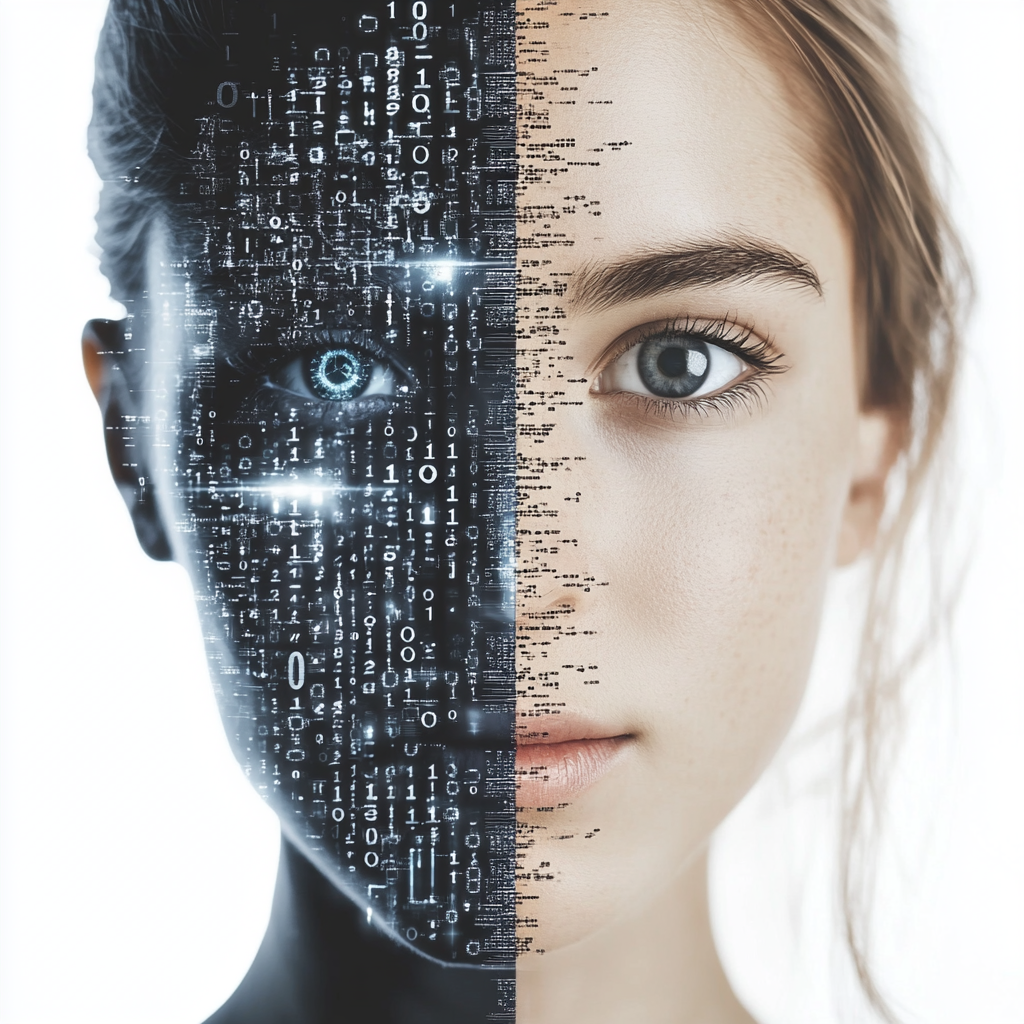
Artificial Intelligence (AI) is not just a buzzword anymore; it’s becoming an integral part of our daily lives. From the way we interact with our devices to how businesses operate, AI is reshaping the landscape of technology and creativity. Imagine a world where machines can not only understand human language but also generate it, create stunning visuals, and even produce captivating videos. Sounds like science fiction, right? Well, it’s happening right now! In this article, we will explore the thrilling advancements in AI across three major media: text, images, and video. We’ll dive into how these technologies work, their applications, and what they mean for the future of creativity and communication.
Text generation has seen significant advancements with AI, enabling the creation of coherent, contextually relevant content. This section discusses the technology behind it and its applications in various industries. With tools like OpenAI’s GPT-3, we can now generate articles, stories, and even poetry that mimic human writing styles. The implications are enormous! For instance, businesses can automate customer service responses, while writers can use AI as a brainstorming partner. It’s like having a creative buddy who never runs out of ideas!
AI’s ability to generate images has transformed creative fields, allowing for innovative designs and art. Here, we delve into the algorithms that power image synthesis and their impact on visual media. Technologies like Generative Adversarial Networks (GANs) enable machines to create stunning images from scratch. Artists and designers are now using these tools to push the boundaries of creativity. Imagine creating an entire gallery of artwork in minutes, all thanks to AI! However, this also raises questions about originality and ownership in art. Who gets credit for a piece created by a machine? It’s a fascinating dilemma that the art world is currently grappling with.
Video synthesis is revolutionizing content creation, making it easier to produce high-quality videos. This section examines the techniques used in AI-generated video and its potential effects on entertainment and education. With AI, creating engaging video content is no longer restricted to those with expensive equipment or extensive training. Tools like deepfake technology can create realistic videos that can be used for entertainment, marketing, or even educational purposes. However, this also raises ethical concerns about misinformation and the potential misuse of such technologies. As we embrace these advancements, we must also tread carefully.
With the rise of AI-generated content, ethical concerns arise regarding authenticity and misinformation. This part discusses the implications of AI in media and the importance of responsible usage. As AI becomes more capable, the line between real and fake blurs, leading to potential issues in trust and credibility. It’s crucial for creators to use AI responsibly and for consumers to remain vigilant about the content they consume. After all, just because something looks real doesn’t mean it is!
Looking ahead, the integration of AI in text, images, and video is expected to grow. This section speculates on future trends and the evolving relationship between humans and AI in creative processes. As technology continues to advance, we can anticipate even more sophisticated tools that enhance our creative capabilities. The future might see AI not just as a tool but as a collaborator in the creative process. How exciting is that? The possibilities are endless, and the journey has just begun!
AI in Text Generation
The world of text generation has undergone a remarkable transformation, thanks to the advancements in artificial intelligence. Imagine a tool that can craft coherent and contextually relevant content in the blink of an eye—this is the magic of AI. The technology behind this phenomenon primarily revolves around natural language processing (NLP) and machine learning algorithms. These tools analyze vast amounts of text data, learning patterns and structures that enable them to generate human-like writing.
One of the most exciting aspects of AI text generation is its versatility. Whether it’s drafting a blog post, creating marketing copy, or even composing poetry, AI has proven its ability to adapt to various writing styles and tones. For instance, businesses are leveraging AI to produce engaging content that resonates with their target audience. This not only saves time but also streamlines the content creation process. Can you imagine how much more efficient your workflow could be with an AI assistant by your side?
Moreover, AI text generation is not just limited to professional settings. It has found its way into educational platforms, where it aids students in generating essays and reports. This raises an intriguing question: while AI can enhance learning, does it risk fostering dependency? It’s a double-edged sword that educators must navigate carefully.
To illustrate the impact of AI in text generation, consider the following table that highlights some of its key applications across different industries:
| Industry | Application |
|---|---|
| Marketing | Content creation for social media, email campaigns, and blogs. |
| Education | Essay writing assistance, tutoring, and personalized learning materials. |
| Journalism | Automated news reports and data analysis for articles. |
| Entertainment | Scriptwriting for movies, video games, and interactive storytelling. |
As we delve deeper into this technology, it’s essential to recognize that while AI can produce impressive text, it lacks the emotional depth and nuanced understanding of human experiences. This is where the human touch remains irreplaceable. The collaboration between AI and human writers can lead to a harmonious blend of efficiency and creativity, pushing the boundaries of what content can achieve.
In conclusion, the rise of AI in text generation is not just a trend; it’s a revolution that is reshaping how we communicate and create. As we embrace these advancements, we must also remain vigilant about the ethical implications and strive for a future where AI serves as a powerful ally in our creative endeavors.
AI in Image Creation
Artificial Intelligence has truly revolutionized the way we think about image creation. Gone are the days when artists and designers relied solely on traditional methods to bring their visions to life. Today, AI algorithms can generate stunning images from scratch, transforming the creative landscape in ways we never imagined. But how does this work? At its core, AI image generation typically involves complex neural networks, particularly Generative Adversarial Networks (GANs), which consist of two competing networks: the generator and the discriminator. The generator creates images, while the discriminator evaluates them, pushing the generator to improve continuously.
Imagine having a virtual artist that can produce unique artwork based on a few keywords or even a simple sketch. This is precisely what AI can do! For instance, tools like DALL-E and Midjourney allow users to input descriptive phrases, and in mere seconds, they generate high-quality images that reflect those concepts. This not only saves time but also opens up a world of possibilities for creativity. Whether you’re a marketer needing eye-catching visuals for a campaign or a game developer looking for concept art, AI can deliver results that are both innovative and inspiring.
Furthermore, the implications of AI in image creation extend beyond just individual projects. It has the potential to disrupt entire industries. Consider the following areas:
- Advertising: Brands can create tailored visuals that resonate with their target audience, enhancing engagement and conversion rates.
- Fashion: Designers can generate unique clothing patterns and styles, pushing the boundaries of traditional fashion design.
- Gaming: Developers can quickly create vast landscapes and characters, reducing production time and costs.
However, it’s essential to acknowledge that this technology comes with its own set of challenges. As AI-generated images become more prevalent, questions arise about authenticity and ownership. Who owns an image created by an AI? Is it the programmer, the user, or the AI itself? These questions are crucial as we navigate this new frontier of creativity. Moreover, the risk of misuse, such as creating misleading or harmful content, cannot be overlooked. It’s vital for creators and companies to implement ethical guidelines to ensure that AI serves as a tool for good, rather than a source of misinformation.
In conclusion, AI’s ability to create images is not just a technological marvel; it’s a gateway to a new era of artistic expression. As we continue to explore and harness this power, we must remain vigilant about the implications it carries. The future of image creation is bright, but it also demands responsibility and foresight. So, are you ready to embrace this change and see where it leads us?
AI in Video Synthesis
In recent years, video synthesis has emerged as a groundbreaking frontier in the realm of artificial intelligence, transforming how we create and consume visual content. No longer are we limited by traditional filmmaking techniques or the constraints of manual editing; AI is stepping in to revolutionize the entire process. Imagine being able to generate a high-quality video from mere text prompts or synthesizing realistic scenes that never existed. It’s like having a digital director at your fingertips!
The technology behind AI video synthesis is both fascinating and complex. At its core, it utilizes advanced algorithms and neural networks to analyze vast amounts of video data. These systems learn from existing footage, understanding the nuances of motion, lighting, and even human expressions. This ability to learn from a plethora of examples allows AI to create videos that are not just coherent, but also visually stunning. For instance, tools like DeepFake and GANs (Generative Adversarial Networks) have gained notoriety for their ability to create hyper-realistic videos that can mimic real people and scenarios.
One of the most exciting applications of AI in video synthesis is in the realm of content creation. Aspiring filmmakers and content creators can now harness AI tools to produce engaging videos without needing extensive technical skills. Consider this: a travel vlogger could input a script about their adventures, and the AI could generate an entire video montage complete with scenic views and dynamic transitions. This not only saves time but also opens up new avenues for creativity.
Moreover, AI video synthesis has significant implications for industries such as education and entertainment. In education, for instance, AI can create immersive learning experiences by synthesizing educational videos tailored to specific subjects. Imagine students learning about ancient civilizations through AI-generated animations that bring history to life! Similarly, in entertainment, filmmakers can experiment with new storytelling techniques, blending real footage with AI-generated elements to create unique narratives.
However, with great power comes great responsibility. As we embrace the capabilities of AI in video synthesis, we must also be aware of the potential for misuse. The ability to create realistic videos raises concerns about misinformation and authenticity. It’s crucial for creators and consumers alike to remain vigilant, ensuring that the content we consume is credible and ethically produced. This leads us to contemplate the future landscape of AI in video synthesis, which promises both exciting opportunities and challenges that we must navigate carefully.
As we look forward, the question arises: how will we balance the creative potential of AI with the ethical considerations it brings? The answer lies in collaboration—between humans and machines, artists and technologists. Together, we can forge a future where AI enhances our storytelling capabilities while maintaining the integrity of the content we produce.
Ethical Considerations in AI Media
As artificial intelligence continues to evolve, the ethical considerations surrounding AI-generated media become increasingly complex and critical. With the power to create text, images, and videos that can easily mimic human creativity, we must ask ourselves: What does it mean for authenticity and trust in media? The implications are profound, impacting not just creators but also consumers and society at large.
One of the most pressing concerns is the potential for misinformation. AI can generate content that appears credible, but it may not always be accurate or truthful. For instance, deepfakes—realistic AI-generated videos—can distort reality, leading to the spread of false information that can damage reputations or manipulate public opinion. Imagine a world where anyone could fabricate a video of a public figure saying anything; the ramifications would be staggering.
Moreover, the issue of authenticity arises. As AI tools become more sophisticated, distinguishing between human-created and AI-generated content becomes increasingly challenging. This blurring of lines can lead to a crisis of trust in media. Consumers might find it difficult to discern what is genuine, which can erode confidence in news sources and creative works. How do we ensure that the content we consume is legitimate?
Another ethical dilemma is the impact on creators. As AI takes over certain aspects of content creation, artists, writers, and filmmakers may find their roles diminished or even threatened. The question becomes: How do we protect human creativity in an age dominated by algorithms? While AI can assist in the creative process, it should not replace the unique human touch that brings art to life. We must strike a balance between leveraging technology and preserving the essence of human creativity.
To address these challenges, it is essential to establish clear guidelines and regulations surrounding the use of AI in media. This could involve:
- Implementing transparency measures that disclose when content is AI-generated.
- Creating ethical standards for the use of AI in journalism and creative fields.
- Encouraging collaboration between technologists and ethicists to navigate these complex issues.
In conclusion, as we embrace the advancements in AI media, we must remain vigilant about the ethical implications. The future of creativity should not be a battleground for misinformation and authenticity crises. Instead, it should be a space where technology and human ingenuity coexist harmoniously, enriching our cultural landscape rather than undermining it. By addressing these ethical considerations head-on, we can pave the way for a responsible and innovative future.
The Future Landscape of AI Media
The future of AI media is not just a fleeting trend; it’s shaping up to be a profound transformation in how we create, consume, and interact with content. Imagine a world where every piece of media you encounter is tailored to your preferences, generated by intelligent systems that understand your tastes better than you do. It’s like having a personal curator who knows exactly what will captivate your attention! As we look ahead, several key trends are emerging that will define this landscape.
Firstly, the integration of AI across various media platforms is expected to deepen. This means that text, images, and videos will not only coexist but will also interact in ways that enhance storytelling. For instance, consider a scenario where an AI generates a captivating article about a new art exhibit, accompanied by stunning visuals and a short video tour of the gallery. This seamless blend of formats can create an immersive experience that keeps audiences engaged longer than traditional media ever could.
Moreover, as AI continues to evolve, we can anticipate advancements in personalization. The algorithms powering these technologies will become increasingly sophisticated, allowing for hyper-personalized content. Imagine receiving a news update that not only reflects your interests but is also delivered in a style that resonates with you. This level of customization will revolutionize marketing strategies, making advertisements feel less intrusive and more like valuable suggestions tailored to individual needs.
However, it’s not all sunshine and rainbows. As we embrace these advancements, we must also navigate the ethical challenges they present. Concerns about misinformation and the authenticity of AI-generated content will likely grow. For instance, as deepfakes become more realistic, distinguishing between genuine and fabricated media could become increasingly difficult. This raises questions about trust and the potential for misuse in various sectors, from politics to entertainment.
In addition, the role of human creativity in the AI-driven landscape will evolve. While AI can generate content at an unprecedented scale, the human touch will remain irreplaceable. Think of it this way: AI is like a powerful tool in a craftsman’s workshop. It can enhance productivity and open new avenues for creativity, but the final masterpiece will always require the artist’s vision and emotional depth. Thus, the future will likely see a collaborative relationship where humans and AI work hand in hand to push the boundaries of creativity.
In conclusion, the future landscape of AI media is set to be a fascinating blend of innovation and challenge. As we stand on the brink of this new era, it’s crucial to embrace the opportunities while remaining vigilant about the ethical implications. The journey ahead promises to be exhilarating, and it’s an exciting time to be part of this evolving narrative. So, buckle up and get ready for a ride where technology and creativity intertwine like never before!
Frequently Asked Questions
- What is AI text generation and how does it work?
AI text generation involves using algorithms and machine learning models to create coherent and contextually relevant text. These models analyze vast amounts of data to understand language patterns, enabling them to produce content that mimics human writing. Think of it like teaching a computer to write a story by showing it thousands of examples!
- How has AI impacted image creation?
AI has revolutionized image creation by enabling artists and designers to generate unique visuals with just a few clicks. Using advanced algorithms, AI can analyze existing images and create new ones, allowing for endless possibilities in design. Imagine having a digital artist at your fingertips, ready to bring your ideas to life!
- What are the benefits of AI in video synthesis?
AI in video synthesis simplifies the content creation process, making it faster and more accessible. It allows creators to produce high-quality videos without needing extensive technical skills. Picture being able to create a professional-looking video in minutes, rather than hours or days!
- Are there ethical concerns related to AI-generated content?
Yes, ethical concerns are significant in the realm of AI-generated content. Issues like authenticity, misinformation, and copyright come into play. It’s crucial for creators and consumers alike to understand the implications of using AI in media to ensure responsible usage.
- What does the future hold for AI in media?
The future of AI in media looks promising, with continuous advancements expected in text, images, and video. As technology evolves, we can anticipate a closer collaboration between humans and AI in creative processes, leading to innovative forms of expression and storytelling.
Leave a Reply