
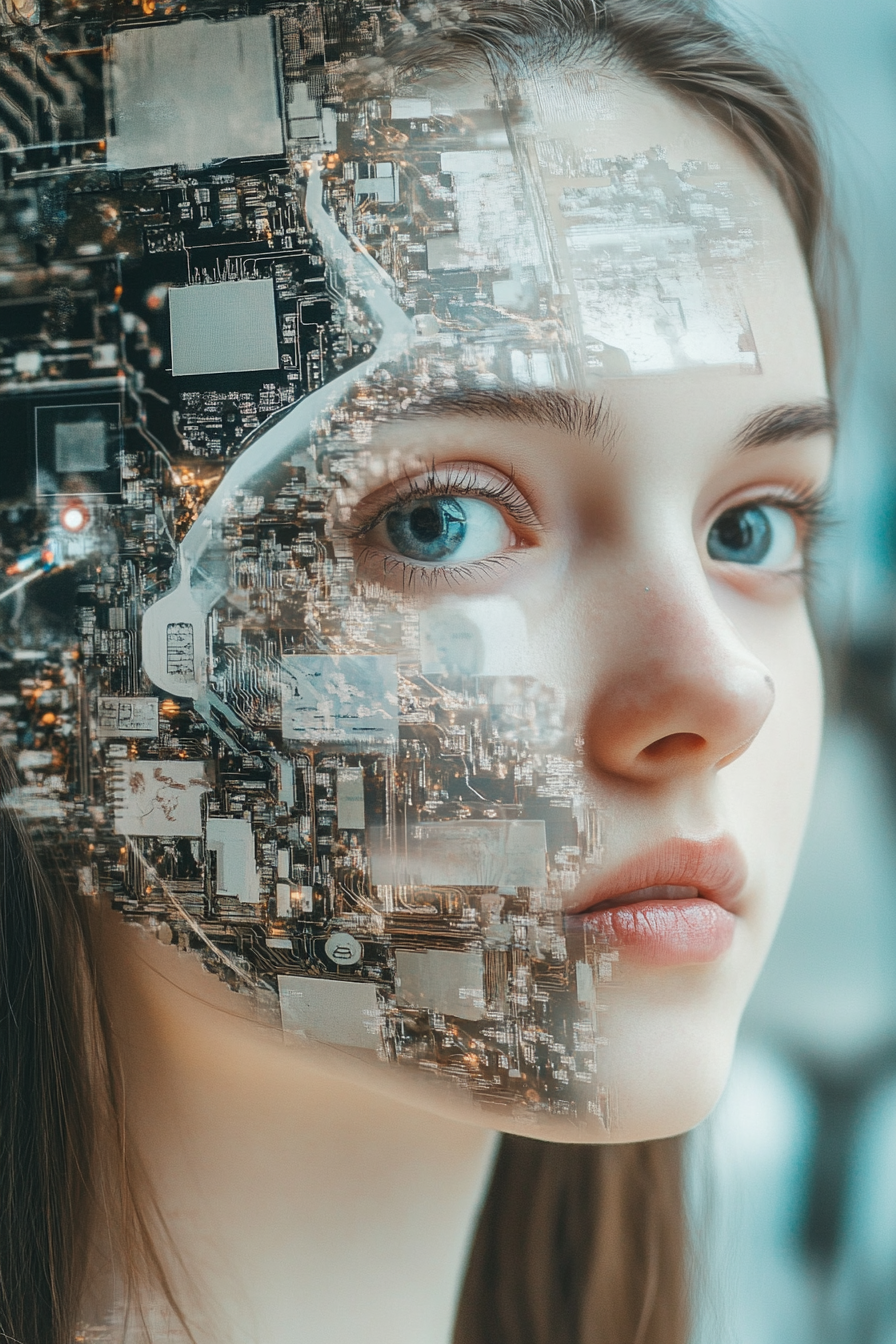
In today’s digital age, the intersection of art and technology has never been more thrilling. The emergence of artificial intelligence (AI) is reshaping how we perceive and create art. With AI-generated images becoming increasingly prevalent, it’s essential to explore the profound impact this technology has on the creative landscape. From enhancing artistic expression to raising ethical questions, AI is not just a tool; it’s a partner in the creative process. But what does this mean for artists and the future of creativity?
AI technology has revolutionized the art world, enabling artists to explore new mediums and techniques. Imagine being able to create stunning visuals without the traditional constraints of skill or medium. AI is like a creative collaborator that offers endless possibilities. Artists can now experiment with styles that blend the old with the new, creating works that challenge our perceptions of what art can be. This section discusses the emergence of AI as a tool for creative expression, highlighting how it has opened doors for both seasoned artists and newcomers alike. The fusion of human creativity with machine learning is like mixing paint on a palette, resulting in vibrant, unexpected outcomes.
Understanding the mechanics behind AI-generated images is essential. At its core, AI uses complex algorithms and deep learning to analyze vast datasets of existing art. These algorithms learn patterns, styles, and techniques, enabling machines to create visual art that can be astonishingly realistic or abstract. Think of it as teaching a child to paint by showing them thousands of masterpieces. The child absorbs the styles and techniques, eventually creating their own unique artwork. This section delves into the algorithms and processes that enable machines to create visual art, shedding light on the underlying principles that make this technology so powerful.
AI offers numerous advantages for artists and designers, enhancing productivity and unlocking innovative possibilities. Imagine having a virtual assistant that can generate ideas, suggest color palettes, or even create drafts of your work. AI tools can complement human creativity, allowing artists to focus on the more nuanced aspects of their craft. By streamlining workflows, artists can save time and energy, which can then be redirected towards honing their unique voice and vision. Here, we explore how AI tools can enhance the creative process, making it more accessible and exciting.
Despite its benefits, AI-generated art raises important ethical questions. As we embrace this technology, concerns about originality, copyright, and the potential devaluation of human artistry come to the forefront. For instance, if an AI creates a piece of art that resembles a famous painting, who owns the rights? This section addresses these concerns, emphasizing the need for a thoughtful dialogue about the implications of AI in the creative industry. It’s crucial to navigate this landscape carefully, ensuring that human creativity remains valued and protected.
The collaboration between AI and human artists is likely to shape the future of creativity. As technology continues to evolve, so too will the ways in which artists engage with AI. This partnership could redefine artistic boundaries, leading to the creation of entirely new genres and styles. Imagine a world where artists and AI co-create, producing works that blend human emotion with machine precision. This section speculates on how these partnerships could evolve, offering a glimpse into a future where creativity knows no bounds.
The Rise of AI in Art
In recent years, artificial intelligence has emerged as a groundbreaking force in the creative world, transforming the way we perceive and create art. Imagine a world where machines can not only analyze existing artworks but also generate their own pieces, blending styles and techniques in ways that were previously unimaginable. This is not just a distant dream; it’s happening right now! Artists are increasingly adopting AI as a tool for creative expression, pushing the boundaries of traditional art forms.
AI technology allows artists to explore new mediums, from digital paintings to immersive installations that respond to viewer interactions. By leveraging complex algorithms and vast datasets, AI can learn from the rich history of art, drawing inspiration from countless styles and movements. Think of it like having a supercharged assistant that never tires of experimentation. This collaboration between human creativity and machine learning opens up a treasure trove of possibilities for artistic innovation.
Moreover, AI-generated art is not just about replicating existing styles; it’s about creating entirely new genres. Artists can now generate unique visuals by inputting simple prompts or keywords, and the AI will interpret these instructions to produce stunning, one-of-a-kind artworks. For instance, an artist might type in “a serene landscape at sunset,” and the AI could generate multiple interpretations, each with its own flair. This kind of interaction is akin to a dialogue between the artist and the machine, where both parties contribute to the final creation.
However, the rise of AI in art is not without its challenges. While it offers exciting new avenues for exploration, it also raises questions about the authenticity of art produced by machines. Can a piece created by an algorithm truly be considered “art”? This debate is reminiscent of the discussions surrounding photography when it first emerged—many argued it wasn’t a true art form. Yet, as history has shown, innovation often meets resistance before it finds its place.
As we navigate this new terrain, it’s crucial to consider how AI can coexist with traditional artistic practices. Just as the camera did not replace painters, AI is unlikely to replace human artists. Instead, it can serve as a catalyst for creativity, inspiring artists to think outside the box and experiment with new ideas. The future of art lies in collaboration, where human intuition and emotion meet the analytical prowess of AI, leading to a richer, more diverse artistic landscape.
How AI-Generated Images Work
Ever wondered how machines can whip up stunning visuals in the blink of an eye? The magic behind AI-generated images lies in complex algorithms and vast datasets. At its core, AI utilizes a technique called deep learning, which mimics the way humans learn from experience. Just like we gather knowledge from our surroundings, AI systems analyze countless images to understand patterns, styles, and themes.
The process typically begins with a prompt—a simple phrase or keyword that serves as a guide for the AI. Think of it like giving a painter a theme to work with. From there, the AI dives into its database, pulling together elements that align with the prompt. It’s almost like a chef selecting ingredients for a dish, carefully choosing what will blend together harmoniously.
To break it down further, here’s a simplified overview of how AI generates images:
- Data Collection: AI starts with a massive dataset of images, often sourced from the internet, which provides a rich tapestry of styles and compositions.
- Training: Using neural networks, the AI learns to recognize shapes, colors, and textures, adjusting its understanding with each iteration.
- Generation: When prompted, the AI creates an image by synthesizing what it has learned, producing unique visuals that reflect the input it received.
One of the most fascinating aspects of this technology is the ability to create entirely new styles. For example, AI can blend the characteristics of Picasso’s cubism with the vibrant colors of Van Gogh’s impressionism, resulting in a piece that feels both fresh and familiar. This blending of styles is not just a technical feat; it opens the door to a new realm of artistic expression.
However, the journey of AI-generated images doesn’t stop at creation. The images undergo various post-processing techniques to enhance their quality. This includes adjusting brightness, contrast, and even adding intricate details that might not have been captured in the initial generation. Think of it as a sculptor refining their work after the rough shape has been formed.
In essence, AI-generated images are a product of sophisticated technology that combines data analysis, creative algorithms, and artistic principles. As we continue to explore this fascinating intersection of art and technology, the potential for innovation seems limitless. The question is: where will this journey lead us next?
The Benefits of AI in Creativity
Artificial Intelligence (AI) is not just a buzzword; it’s transforming the creative landscape in ways that many of us could never have imagined. Imagine having a digital assistant that not only understands your artistic vision but also enhances it. That’s the power of AI in creativity! By integrating AI into the creative process, artists and designers can unlock a treasure trove of possibilities that were previously unattainable. This technology is like having a supercharged brainstorming partner at your side, ready to generate ideas, provide inspiration, and streamline workflows.
One of the most significant benefits of AI in creativity is its ability to enhance productivity. Artists often find themselves bogged down by repetitive tasks, such as resizing images or adjusting color palettes. AI tools can automate these mundane aspects, allowing creators to focus on what they do best—being creative! For instance, AI can analyze a large dataset of images and suggest color combinations or styles that resonate with current trends, saving artists hours of tedious work.
Moreover, AI-generated images can serve as a springboard for human creativity. They can provide a fresh perspective or inspire new directions that artists might not have considered. Think of it as a creative collaboration where the artist and the AI bounce ideas off each other. For example, an artist might input a few keywords into an AI tool, and in seconds, it generates a series of images based on those prompts. This not only sparks inspiration but also pushes the boundaries of traditional art forms.
Another fascinating aspect is that AI can analyze vast amounts of data to identify patterns and trends in the art world. This ability can help artists stay ahead of the curve, ensuring their work remains relevant and engaging. With AI’s analytical prowess, artists can make informed decisions about their projects, from choosing themes to understanding audience preferences.
To illustrate the impact of AI on creativity, consider the following table that outlines key benefits:
| Benefit | Description |
|---|---|
| Enhanced Productivity | AI automates repetitive tasks, allowing artists to focus on creative aspects. |
| Inspiration Generation | AI can create unique images based on input, sparking new ideas for artists. |
| Trend Analysis | AI analyzes data to help artists identify and stay ahead of trends. |
| Creative Collaboration | AI acts as a brainstorming partner, enhancing human creativity. |
In summary, the integration of AI into the creative process is not about replacing artists; it’s about empowering them. By harnessing the capabilities of AI, artists can elevate their work, explore new horizons, and redefine what it means to be creative in the modern world. So, whether you’re a painter, a graphic designer, or a digital artist, embracing AI could be the key to unlocking your full creative potential!
Challenges and Ethical Considerations
The emergence of AI-generated art has sparked a vibrant debate about the ethical implications and challenges it presents. As we dive into this new frontier, we must grapple with questions that challenge our traditional notions of creativity and ownership. For instance, if a machine creates a masterpiece, who truly owns it? Is it the programmer, the user, or the machine itself? These questions are not just academic; they touch on the very essence of what it means to be an artist in today’s digital age.
Moreover, the concern about originality looms large. AI systems often learn from existing works, which raises the issue of whether the art they produce is genuinely original or merely a remix of human creativity. This blurring of lines can lead to a slippery slope where the value of human artistry is diminished. After all, if a machine can replicate styles and techniques, what does that mean for the future of traditional artists? Are we at risk of entering a world where the unique touch of a human hand is overshadowed by the precision of a machine?
Another significant challenge is the potential for devaluation of artistic labor. As AI tools become more prevalent, there is a fear that the market may flood with AI-generated images, leading to a saturation that could diminish the perceived value of human-created art. Artists might find themselves competing not just with each other but with algorithms that can produce art at an unprecedented scale and speed. This could result in a scenario where the public’s appreciation for the painstaking effort of human artists is overshadowed by the allure of instant, machine-made creations.
Additionally, ethical considerations extend to the use of AI in art creation. For example, how do we ensure that AI systems do not inadvertently perpetuate biases present in the data they are trained on? If an AI is trained on a dataset that lacks diversity, the art it produces may reflect those biases, leading to a narrow representation of culture and creativity. This not only affects the quality of the art but also raises questions about inclusivity and representation in the creative industries.
To navigate these challenges, it is essential for artists, technologists, and policymakers to engage in ongoing dialogue. Establishing clear guidelines and frameworks can help address the ethical dilemmas posed by AI in art. This might include developing standards for copyright, ensuring transparency in AI training data, and promoting a collaborative approach between human artists and AI technologies.
In conclusion, while AI-generated art opens up exciting possibilities, it also brings forth a host of challenges and ethical considerations that cannot be ignored. As we move forward, it is crucial to strike a balance between embracing innovation and preserving the integrity of human creativity. Only then can we hope to foster a future where both AI and human artists can thrive side by side.
The Future of AI and Human Collaboration
The future of creativity is not about machines replacing artists; rather, it’s about collaboration between AI and human ingenuity. Imagine a world where an artist sits side by side with an AI, bouncing ideas off each other like an epic jam session between a guitarist and a drummer. This partnership has the potential to unlock new dimensions in art that we have yet to explore. As we look ahead, we can anticipate a fascinating synergy where both parties contribute their strengths—humans with their emotional depth and experience, and AI with its ability to analyze vast amounts of data and generate unique concepts in seconds.
One of the most exciting aspects of this collaboration is the ability to enhance creativity rather than stifle it. For instance, artists can utilize AI tools to experiment with styles and techniques that they might not have considered otherwise. This could mean generating a series of images based on a simple sketch, allowing the artist to see their vision come to life in various forms. Think of it as having a creative assistant who never tires and is always ready to brainstorm ideas, making the artistic process not just faster, but also more dynamic and enjoyable.
However, while the possibilities are thrilling, it’s essential to approach this collaboration with a sense of responsibility. As we integrate AI into the creative process, we must also consider the implications of this partnership. Questions about authorship and originality arise—who owns the final artwork when both an artist and an AI contribute to its creation? These are not just legal questions; they are philosophical ones that challenge our understanding of art itself. It’s a bit like co-writing a song; both the lyrics and melody are crucial, but how do you credit the contributions?
Moreover, the art world must remain vigilant about maintaining the value of human creativity. As AI-generated content becomes more prevalent, there’s a risk that the unique touch of human artists could be overshadowed. However, rather than viewing AI as a threat, artists can embrace it as a tool that enhances their work. By leveraging AI for repetitive tasks or initial drafts, artists can focus on the more nuanced aspects of their creations that require a human touch—like emotion, storytelling, and cultural context.
In conclusion, the future of AI and human collaboration in art is bright and full of potential. As we stand on the brink of this new era, we must foster an environment that encourages experimentation and dialogue between artists and technology. Just as the brush and canvas have evolved over centuries, so too will the tools we use to create. By embracing AI as a partner rather than a competitor, we can redefine what it means to be an artist in the 21st century, pushing the boundaries of creativity to exhilarating new heights.
Frequently Asked Questions
- What are AI-generated images?
AI-generated images are visuals created using artificial intelligence algorithms. These algorithms analyze vast amounts of data to learn patterns and styles, enabling them to produce unique artworks that often mimic human creativity.
- How does AI create art?
AI creates art by using machine learning techniques, particularly deep learning. It processes images and learns from them, identifying features like colors, shapes, and styles. This allows the AI to generate new images based on the learned information, often leading to surprising and innovative results.
- Can AI replace human artists?
While AI can generate impressive artworks, it doesn’t replace human artists. Instead, it serves as a tool that can enhance creativity and productivity. Artists can use AI to explore new ideas and techniques, making it a collaborative partner rather than a replacement.
- What are the benefits of using AI in creativity?
AI offers numerous benefits, including increased efficiency, the ability to generate ideas quickly, and access to new artistic styles. It can help artists overcome creative blocks and streamline their workflows, allowing them to focus on the more nuanced aspects of their work.
- Are there ethical concerns with AI-generated art?
Yes, there are several ethical considerations, such as copyright issues and the potential for devaluing human artistry. Questions about the originality of AI-generated works and the implications for traditional artists are ongoing discussions in the creative community.
- What does the future hold for AI and human collaboration in art?
The future of AI and human collaboration in art looks promising. As technology evolves, artists will likely find new ways to integrate AI into their creative processes, leading to exciting innovations and redefining artistic boundaries.
Leave a Reply