
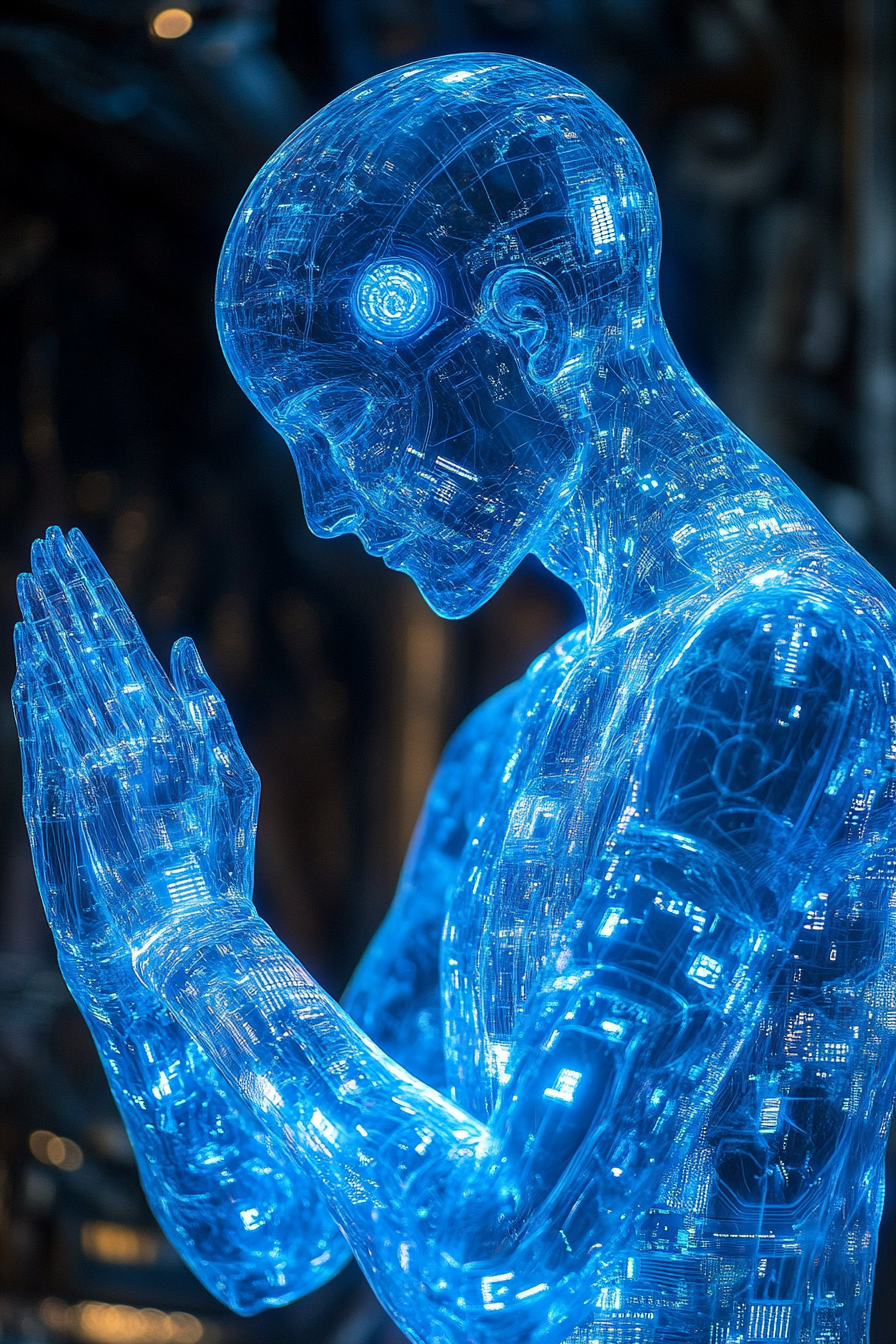
As we stand on the brink of a new era, the workplace is undergoing a seismic shift, driven by the ever-evolving capabilities of artificial intelligence (AI). It’s not just a buzzword anymore; AI is reshaping how businesses operate, how employees engage with their work, and even how we define productivity. Imagine a world where mundane tasks are handled by machines, allowing human creativity and strategic thinking to flourish. Sounds like science fiction? Well, it’s becoming our reality!
One of the most exciting aspects of this transformation is the way AI is enhancing efficiency. Companies are now able to analyze vast amounts of data in real-time, making decisions that were once time-consuming and prone to human error. For instance, AI algorithms can sift through resumes in seconds, identifying the best candidates based on specific criteria. This means that hiring managers can focus on what really matters: building relationships and understanding the unique qualities of potential hires.
But the impact of AI doesn’t stop at recruitment. Picture this: a workplace where employees are no longer bogged down by repetitive tasks. Instead, they have access to AI-driven tools that automate these processes, allowing them to concentrate on more meaningful work. This shift not only boosts productivity but also increases job satisfaction. Employees can engage in creative problem-solving and innovative thinking, leading to a more dynamic and fulfilling work environment.
Moreover, AI is taking employee training to a whole new level. Traditional training methods often feel like a one-size-fits-all approach, but AI is changing that narrative. With personalized learning experiences, employees can learn at their own pace and focus on areas that need improvement. Imagine a training program that adapts to your learning style, providing resources and feedback tailored just for you. This is not just a dream; it’s becoming a standard in many forward-thinking organizations.
As remote work continues to gain traction, AI is playing a vital role in bridging the gap between dispersed teams. Collaboration tools powered by AI facilitate seamless communication, ensuring that everyone is on the same page, regardless of their physical location. Whether it’s through automated scheduling or intelligent project management systems, AI helps teams stay connected and productive, proving that distance is no longer a barrier to effective teamwork.
However, with great power comes great responsibility. As businesses rush to adopt AI technologies, it’s crucial to address the ethical considerations that accompany this shift. Issues such as privacy, bias, and the potential for job displacement must be taken seriously. Responsible AI use is not just a nice-to-have; it’s a necessity for maintaining trust and integrity in the workplace.
In conclusion, the future of work is undeniably intertwined with AI. The opportunities are vast, but so are the challenges. As we navigate this new landscape, it’s essential to embrace the changes while remaining vigilant about the ethical implications. The workplace of tomorrow promises to be more innovative, efficient, and inclusive, but it will require all of us to adapt and evolve.
AI in Recruitment and Hiring
The world of recruitment and hiring is undergoing a seismic shift, thanks to the advent of artificial intelligence (AI). Imagine a scenario where businesses can sift through thousands of resumes in the blink of an eye, pinpointing the perfect candidates with unparalleled precision. This is not science fiction; it’s the reality that AI is crafting in the recruitment landscape. Companies are harnessing the power of AI technologies to enhance efficiency and improve their talent acquisition strategies. But how exactly does this work?
One of the most significant advantages of AI in recruitment is its ability to automate tedious tasks. Traditionally, recruiters would spend countless hours manually reviewing resumes and applications, a process that is not only time-consuming but also prone to human error. AI tools can analyze resumes and applications in real-time, identifying key skills, experiences, and qualifications that align with the job requirements. This means that recruiters can focus on what truly matters—building relationships with potential hires and understanding their unique strengths.
Moreover, AI-driven platforms often utilize machine learning algorithms to improve candidate matching over time. As these systems learn from previous hiring decisions, they become increasingly adept at identifying candidates who fit the company culture and job specifications. This leads to a more streamlined hiring process and significantly reduces the chances of a bad hire, which can be costly for businesses.
Another exciting aspect of AI in recruitment is its ability to mitigate bias in hiring practices. By relying on data-driven decisions, AI can help ensure that candidates are evaluated based on their skills and qualifications rather than subjective factors. However, it’s crucial to approach this with caution, as the algorithms themselves can be biased if not carefully monitored. Companies must strive to create a balanced approach that combines AI efficiency with human intuition.
To illustrate the impact of AI in recruitment, consider the following table showcasing the traditional recruitment process versus the AI-enhanced recruitment process:
| Aspect | Traditional Recruitment | AI-Enhanced Recruitment |
|---|---|---|
| Time Spent on Resume Screening | Hours to Days | Minutes |
| Candidate Matching Accuracy | Variable | High |
| Bias Risk | Higher | Lower (if monitored) |
| Focus of Recruiters | Administrative Tasks | Strategic Engagement |
In conclusion, the integration of AI in recruitment and hiring is not just a trend; it’s a transformative force that is reshaping how companies attract and retain talent. As businesses continue to embrace these technologies, the potential for improved efficiency, reduced bias, and enhanced candidate experiences is immense. However, it’s essential for organizations to remain vigilant about the ethical implications of AI and strive for a harmonious balance between technology and the human touch in recruitment.
Enhancing Productivity with AI Tools
In today’s fast-paced business environment, productivity is the name of the game, and artificial intelligence (AI) is stepping up as a game-changer. Imagine a world where mundane, repetitive tasks are handled by intelligent systems, freeing up human employees to focus on what truly matters—innovation and creativity. That’s not just a dream; it’s the reality that AI tools are creating for businesses across the globe. From automating data entry to providing insightful analytics, AI is transforming how we work.
One of the most significant ways AI enhances productivity is through automation. By taking over repetitive tasks, AI allows employees to redirect their energy towards more strategic initiatives. For instance, instead of spending hours sorting through emails or scheduling meetings, AI-powered tools can manage these tasks efficiently. This not only saves time but also reduces the likelihood of human error, leading to smoother operations. Picture this: a virtual assistant that can schedule your meetings based on your preferences and availability, while you concentrate on crafting that groundbreaking proposal. Isn’t that a breath of fresh air?
Moreover, AI tools provide valuable insights that can drive decision-making. With the ability to analyze vast amounts of data in real-time, AI can identify trends and patterns that might be invisible to the human eye. This capability enables businesses to make informed decisions quickly, enhancing their agility in a competitive market. For example, consider a retail company using AI to analyze customer purchasing behavior. By understanding what products are trending, they can adjust their inventory accordingly, ensuring they meet customer demands without overstocking.
Another aspect worth mentioning is the role of AI in collaboration. In a world where remote work is becoming the norm, AI tools facilitate seamless communication and project management among distributed teams. Imagine a platform that not only allows you to chat with your colleagues but also suggests the best times for meetings based on everyone’s availability, or automatically assigns tasks based on each team member’s strengths and workload. This kind of intelligent collaboration can significantly enhance team dynamics and overall productivity.
However, it’s essential to remember that while AI can significantly boost productivity, it should be seen as a tool to augment human potential rather than replace it. Companies that successfully integrate AI into their workflows often find that their employees feel empowered rather than threatened. By fostering a culture that embraces AI as a partner, businesses can unlock new levels of creativity and efficiency.
In conclusion, the integration of AI tools into the workplace is not just about keeping up with technology; it’s about reimagining how we work. As we continue to explore the possibilities that AI offers, one thing is clear: the future of work is bright, and those who embrace these tools will lead the charge into a more productive and innovative era.
The Role of AI in Employee Training
Imagine a world where every employee has a personalized coach, guiding them through their learning journey. Artificial Intelligence (AI) is making this dream a reality by transforming the way we approach employee training. With AI, businesses can create tailored learning experiences that cater to individual needs, making training not only more effective but also more engaging.
One of the most significant advantages of AI in training is its ability to analyze vast amounts of data. This capability allows organizations to identify skill gaps and tailor training programs accordingly. For instance, AI can assess an employee’s performance metrics and suggest specific courses or modules that will help them improve. This personalized approach ensures that employees are not wasting time on irrelevant training, but rather focusing on what truly matters for their growth.
Moreover, AI-driven platforms can adapt in real-time. Imagine a scenario where an employee struggles with a particular concept during an online course. AI can detect this struggle through various indicators, such as time spent on a question or repeated attempts at answering it. In response, the platform can provide additional resources or adjust the difficulty level of the content, ensuring that learners receive the support they need when they need it.
In addition to personalized learning, AI enhances knowledge retention. Traditional training methods often rely on memorization and passive learning, which can lead to quick forgetfulness. However, AI can implement spaced repetition techniques, reminding employees of key concepts at optimal intervals, effectively reinforcing their learning. This method is akin to planting a seed; with proper care and attention, it grows into a strong tree, deeply rooted in knowledge.
Furthermore, AI can facilitate collaborative learning among employees. By analyzing team dynamics and individual strengths, AI can recommend group training sessions that optimize collaboration and knowledge sharing. This not only fosters a sense of community but also enhances the overall learning experience. Companies can create a culture of continuous improvement, where learning is seen as a shared journey rather than a solitary task.
However, as organizations embrace AI in employee training, it’s crucial to remember that technology should complement, not replace, human interaction. While AI can provide valuable insights and resources, the emotional intelligence and mentorship offered by human trainers are irreplaceable. Thus, the ideal training program should blend AI capabilities with traditional methods, creating a holistic approach that maximizes learning outcomes.
In conclusion, the role of AI in employee training is not just a passing trend; it’s a significant shift towards more personalized, efficient, and engaging learning experiences. As businesses continue to integrate AI into their training programs, they will not only enhance employee skills but also foster a culture of continuous learning and development. The future of training is here, and it’s powered by AI.
AI and Remote Work Dynamics
In today’s fast-paced world, the concept of remote work has evolved from a mere trend to a mainstream business strategy. With the integration of artificial intelligence (AI), companies are not only adapting to this shift but are also thriving in it. Imagine a workplace where geographical barriers are nonexistent, and collaboration feels as natural as if everyone were in the same room. This is the new normal facilitated by AI technologies.
AI tools are at the forefront of this transformation, enabling teams to communicate and collaborate seamlessly, regardless of their physical locations. For instance, platforms powered by AI can analyze communication patterns, suggesting optimal times for meetings or even predicting potential project bottlenecks before they arise. This proactive approach helps teams stay on track and maintain productivity levels that might otherwise dwindle in a remote setting.
Furthermore, AI enhances project management by providing real-time data analytics. Imagine having a digital assistant that not only tracks your tasks but also offers insights into team performance and project timelines. Tools like these empower managers to make informed decisions quickly, ensuring that projects are completed efficiently. In fact, a recent study showed that companies utilizing AI-driven project management tools reported a 30% increase in project completion rates compared to those relying solely on traditional methods.
However, the benefits of AI in remote work go beyond just productivity. Employee engagement is another crucial area where AI shines. With features like sentiment analysis, AI can gauge employee morale by analyzing communication tone and frequency. This allows companies to address issues proactively, fostering a more inclusive and supportive work environment. After all, a happy employee is a productive employee!
As we embrace this AI-driven remote work landscape, it’s essential to recognize the potential challenges that come with it. For example, while AI can enhance communication, it can also lead to a sense of isolation for some employees. This is where a balance must be struck. Companies should encourage regular check-ins and virtual team-building activities to ensure that employees feel connected and valued.
In conclusion, AI is not just a tool; it is a catalyst for change in the remote work dynamic. By leveraging AI technologies, businesses can create a more connected, efficient, and engaged workforce. As we move forward, the challenge will be to harness these technologies responsibly, ensuring that they enhance the human element of work rather than replace it. The future of work is bright, and with AI by our side, we are well-equipped to navigate it!
Ethical Considerations in AI Adoption
As businesses enthusiastically embrace the potential of artificial intelligence, it’s crucial to pause and reflect on the ethical implications of this technology. The rapid integration of AI into various operations raises significant questions about privacy, bias, and job displacement. Imagine a world where algorithms dictate hiring decisions or customer interactions—sounds efficient, right? But at what cost?
Firstly, let’s talk about privacy. AI systems often rely on vast amounts of data, which can include sensitive personal information. Companies must navigate the fine line between utilizing data for improved services and respecting individuals’ privacy rights. The implementation of robust data protection policies is not just a legal requirement; it’s a moral obligation. Businesses should ask themselves: How transparent are we about data usage? Are we safeguarding our users’ information?
Next, we encounter the issue of bias. AI systems can inadvertently perpetuate existing biases present in the data they are trained on. For instance, if an AI recruitment tool is trained on historical hiring data that reflects a lack of diversity, it may continue to favor candidates who fit that mold. This can lead to a homogeneous workforce and stifle innovation. Companies must actively work to identify and eliminate bias in their AI systems, ensuring a fair and inclusive hiring process. Regular audits and adjustments to algorithms can help mitigate these risks.
Moreover, the fear of job displacement looms large. While AI can enhance productivity and efficiency, it also raises concerns about the future of work. Many employees worry that their roles may become obsolete as machines take over repetitive tasks. However, it’s essential to view AI as a tool that can augment human capabilities rather than replace them. Companies should focus on reskilling and upskilling their workforce to adapt to this new landscape. After all, isn’t it more about how we can work alongside AI to achieve greater outcomes?
To address these ethical considerations effectively, businesses can adopt the following strategies:
- Establish Clear Guidelines: Develop a framework for responsible AI use, ensuring ethical standards are met.
- Engage Stakeholders: Involve employees, customers, and community members in discussions about AI implementation and its impacts.
- Commit to Transparency: Be open about how AI systems operate and the data they use, fostering trust among users.
In conclusion, the ethical considerations surrounding AI adoption are complex and multifaceted. While the advantages of AI are undeniable, businesses must approach this technology with a sense of responsibility. By prioritizing ethics, they can harness the power of AI to not only drive success but also create a positive impact on society. After all, the goal should be to create a future where technology enhances human potential rather than undermines it.
Frequently Asked Questions
- How is AI transforming the recruitment process?
AI is revolutionizing recruitment by automating candidate screening, enhancing matching algorithms, and reducing biases. With AI tools, businesses can quickly sift through resumes and identify the best candidates, making the hiring process faster and more efficient.
- What are some AI tools that boost workplace productivity?
There are numerous AI-driven tools designed to enhance productivity. For instance, project management software like Trello or Asana uses AI to prioritize tasks, while automation tools like Zapier can handle repetitive tasks. This allows employees to focus on more strategic and creative work.
- How does AI enhance employee training?
AI personalizes training by analyzing individual learning styles and progress. Platforms like Coursera and LinkedIn Learning utilize AI to recommend courses tailored to each employee’s needs, ensuring that skill development is both relevant and effective.
- What role does AI play in remote work?
AI facilitates remote work by enhancing communication and collaboration. Tools like Slack and Microsoft Teams integrate AI features that help teams stay connected and manage projects efficiently, regardless of their physical locations.
- What ethical concerns arise with AI adoption in businesses?
As AI becomes more integrated into business operations, concerns about privacy, bias, and job displacement emerge. Companies must prioritize responsible AI use, ensuring transparency and fairness in their AI systems to mitigate these risks.
Leave a Reply